When it comes to enhancing the curb appeal of your home, upgrading your garage door is one of the most impactful improvements you can make. Whether you’re replacing an old door or looking to install a new one, a garage door kit provides an excellent solution for homeowners who want to tackle the project themselves. This comprehensive guide will cover what a garage door kit is, the benefits of using one, how to choose the right kit, and steps for successful installation.
What is a Garage Door Kit?
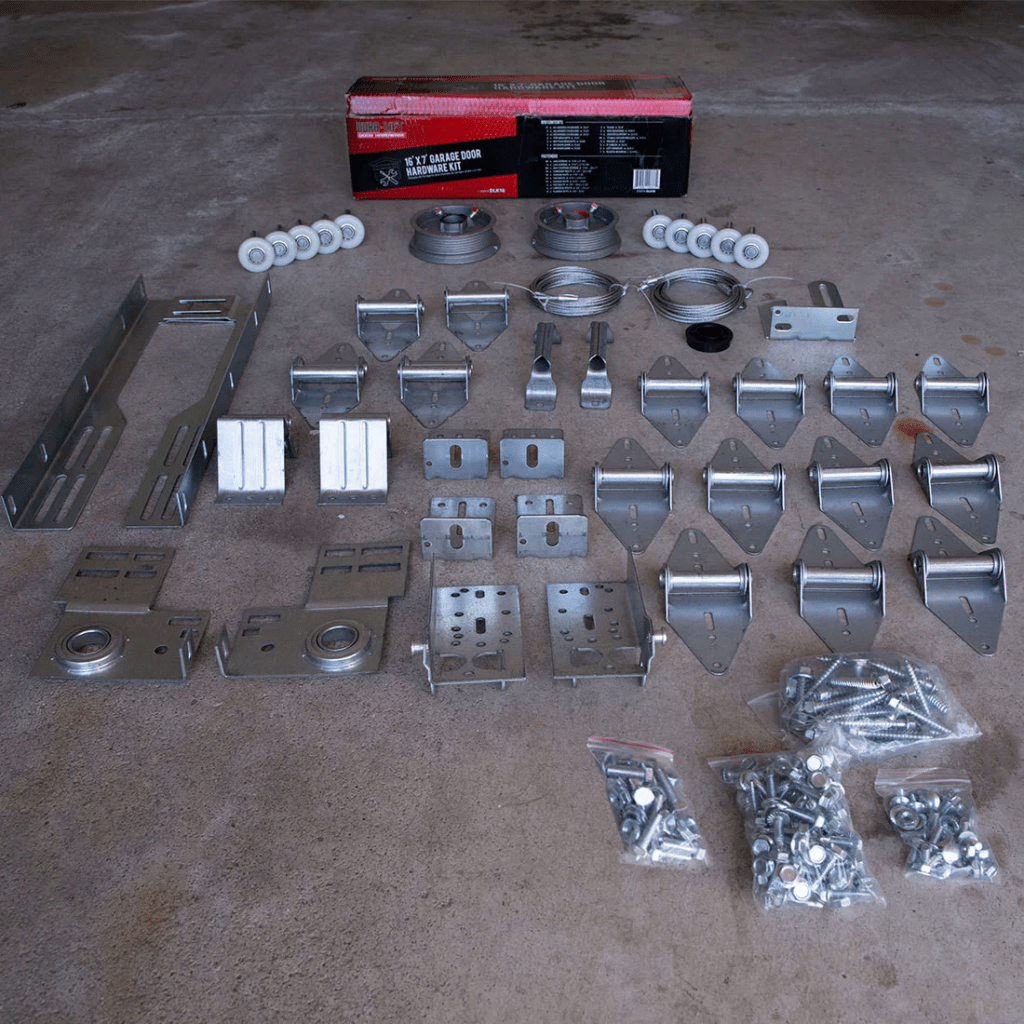
A garage door kit is a packaged set of components designed to facilitate the installation of a garage door. These kits typically include everything you need, from the door panels and tracks to the hardware required for mounting and operation. Depending on the specific kit, you may also find additional features like insulation and decorative hardware.
Components of a Garage Door Kit
The typical components of a garage door kit include:
- Door Panels: These are the main sections that form the garage door. They can come in various styles, materials, and finishes.
- Tracks: These guide the door as it opens and closes. Tracks can be horizontal or vertical and are essential for smooth operation.
- Springs: Most kits include torsion or extension springs, which help lift and lower the door efficiently.
- Hinges and Rollers: These allow the door panels to move smoothly along the tracks.
- Hardware: This includes all necessary nuts, bolts, and brackets for securing the door and its components.
- Opener (optional): Some kits come with an electric garage door opener, while others may require you to purchase it separately.
Read too: Door and Garage Door Companies: Choosing the Right Partner for Your Needs
Benefits of Using a Garage Door Kit
1. Cost-Effective
One of the main advantages of purchasing a garage door kit is cost savings. Buying a kit can be cheaper than hiring a professional to install a new door. Kits are often more affordable than purchasing individual components separately.
2. DIY-Friendly
Many homeowners take pride in their DIY projects, and installing a garage door kit is an achievable task for those with basic tools and skills. Most kits come with detailed instructions, making it easy to follow along step-by-step.
3. Variety of Options
Garage door kits come in various styles, colors, and materials, allowing homeowners to customize their garage doors to match their home’s exterior. Whether you prefer the classic look of wood or the modern appeal of steel, there is a garage door kit for you.
4. Quick Installation
A garage door kit can significantly reduce the time it takes to replace or install a new door. With everything included and clear instructions provided, you can often complete the installation in a single weekend.
Choosing the Right Garage Door Kit
When selecting a garage door kit, consider the following factors:
1. Type of Material
Garage doors can be made from various materials, including:
- Steel: Durable, low-maintenance, and available in various styles. Steel doors can be insulated for better energy efficiency.
- Wood: Offers a classic look and can be customized easily, but may require more maintenance to prevent rot and warping.
- Aluminum: Lightweight and rust-resistant, making it a good choice for coastal areas.
- Fiberglass: A great option for areas with extreme weather, as it won’t rust or warp.
2. Insulation
If your garage is attached to your home or if you use it as a workspace, consider investing in an insulated garage door kit. Insulated doors can help regulate temperature and reduce energy costs, making your garage more comfortable year-round.
3. Style
Garage doors come in various styles, including traditional raised panel designs, contemporary flush panels, and carriage-house styles. Choose a style that complements your home’s architecture and enhances curb appeal.
4. Size
Ensure you measure your garage’s opening accurately. Garage door kits come in standard sizes, so knowing the exact dimensions will help you select the right one.
5. Opener Compatibility
If you plan to use an electric garage door opener, check that your chosen kit is compatible with the opener you want to use. Some kits may include an opener, while others require you to purchase one separately.
Steps to Install a Garage Door Kit
Once you’ve chosen the right garage door kit, follow these steps to install it successfully:
Step 1: Gather Tools and Materials
Before you begin, ensure you have the necessary tools on hand, including:
- Drill and drill bits
- Wrench set
- Screwdriver
- Level
- Tape measure
- Safety goggles
- Ladder
Step 2: Prepare the Area
Clear the garage area where you’ll be working. Remove any old door, hardware, or debris. Ensure the garage door opening is clean and free of obstructions.
Step 3: Assemble the Door Panels
Lay out the door panels on a flat surface, following the manufacturer’s instructions. Attach the hinges and rollers to each panel as indicated in the assembly guide.
Step 4: Install the Tracks
Using your drill and level, install the vertical tracks first, ensuring they are plumb. Then, attach the horizontal tracks at the top of the garage. Make sure to secure the tracks with the provided hardware.
Step 5: Hang the Door
With the help of an assistant, lift the assembled door panels and place them onto the tracks. This step may require two people to ensure safety and proper alignment.
Step 6: Attach the Springs
Follow the instructions carefully to install the torsion or extension springs. These components are crucial for balancing the door and should be installed with caution. If you’re not comfortable handling springs, consider hiring a professional for this step.
Step 7: Install the Opener (if applicable)
If your garage door kit includes an opener, follow the manufacturer’s instructions to install it. Ensure the opener is correctly aligned and securely fastened.
Step 8: Test the Door
Once everything is installed, test the garage door to ensure it opens and closes smoothly. Check that all components function correctly and make any necessary adjustments.
Maintenance Tips for Your Garage Door
To keep your new garage door in good condition, follow these maintenance tips:
1. Regular Inspections
Inspect your garage door regularly for signs of wear, including rust, cracks, or damage to the panels and hardware. Early detection can prevent costly repairs down the line.
2. Lubricate Moving Parts
Apply a silicone-based lubricant to the rollers, hinges, and tracks every six months to ensure smooth operation and prevent squeaking.
3. Check the Springs
Regularly check the springs for signs of wear or damage. If you notice any issues, contact a professional for replacement.
4. Clean the Door
Keep your garage door clean by washing it regularly with mild soap and water. This helps maintain its appearance and prevents dirt buildup.
5. Test Safety Features
If your garage door is equipped with safety features, such as an auto-reverse function, test them regularly to ensure they work correctly.
When to Call a Professional
While many homeowners can successfully install a garage door kit on their own, some situations may warrant professional help:
- Structural Issues: If you encounter any structural concerns with your garage door frame or header, consult a contractor.
- Spring Replacement: Torsion springs can be dangerous to replace if you’re unfamiliar with the process. It’s best to hire a professional for this task.
- Complex Systems: If you’re unsure about compatibility between the kit and existing garage door openers or systems, seek expert advice.
Conclusion
A garage door kit can transform your garage’s appearance and improve your home’s functionality. By understanding what to look for, how to install it, and how to maintain it, you can enjoy a beautiful and efficient garage door for years to come. Whether you’re a seasoned DIYer or a first-timer, following the guidelines in this article will ensure a successful installation and enhance your home’s curb appeal.
Leave a Reply