Have you ever struggled with closing in a garage door opening efficiently and effectively? Whether you’re a homeowner or a professional, mastering the process of closing in a garage door opening is essential for ensuring safety, security, and convenience. In this comprehensive guide, we’ll explore various tips and techniques to help you navigate the intricacies of closing in a garage door opening like a pro.
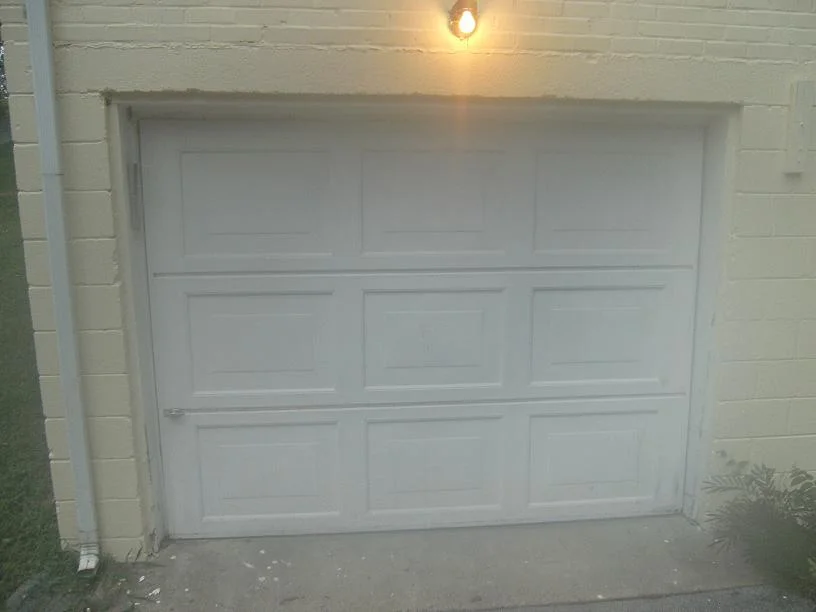
Understanding Garage Door Openings
Introduction to Garage Door Openings
A garage door opening refers to the space through which a garage door moves when opening or closing. It consists of the vertical tracks, horizontal tracks, rollers, and other components that facilitate the movement of the garage door. Understanding the anatomy of a garage doors opening is crucial for effectively closing it in.
Common Challenges
Closing in a garage doors opening may seem straightforward, but various challenges can arise, including misaligned tracks, damaged rollers, and malfunctioning springs. These issues can impede the smooth operation of the garage door and pose safety risks if not addressed promptly.
Tips for Closing in a Garage Door Opening
1. Inspect and Maintain Regularly
Regular inspection and maintenance of your garage door opening can help identify potential issues before they escalate. Check for any signs of wear and tear, lubricate moving parts, and tighten loose hardware to ensure smooth operation.
2. Align the Tracks
Misaligned tracks can cause the garage door to jam or operate unevenly. Use a level to ensure that the vertical and horizontal tracks are aligned properly. Adjust the track’s position if necessary to prevent any obstructions or friction.
3. Check the Rollers and Springs
Inspect the rollers and springs for any signs of damage or wear. Replace worn-out rollers or springs to prevent them from causing disruptions in the closing process. Lubricate the rollers regularly to maintain smooth movement along the tracks.
Read too: Why Your Liftmaster Garage Door Won’t Stay Closed and How to Fix It? Troubleshooting Tips
4. Test the Safety Features
Modern garage door openers are equipped with safety features such as auto-reverse mechanisms and infrared sensors to prevent accidents and injuries. Test these features regularly to ensure they are functioning correctly and adjust the settings as needed.
Techniques for Efficient Closing In A Garage Door Opening
1. Use Proper Technique
When closing in a garage doors opening manually, use proper lifting and lowering techniques to avoid strain and injury. Bend your knees, keep your back straight, and lift with your legs rather than your back to minimize the risk of injury.
2. Close the Door Completely
Ensure that the garage door is fully closed before leaving the premises or securing the property. A partially closed door can compromise security and safety, allowing unauthorized access or posing a hazard to occupants.
3. Invest in Automation
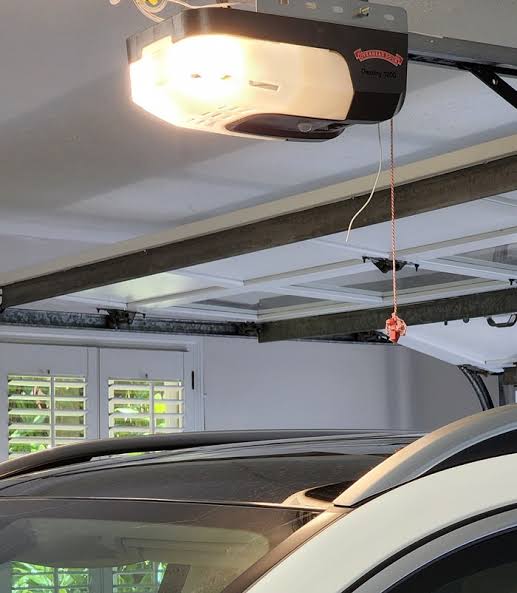
Consider upgrading to an automated garage door opener for added convenience and security. Modern openers offer features such as remote operation, smartphone integration, and timer functions, allowing you to close the door with ease from anywhere.
Conclusion
Closing in a garage door opening is a fundamental aspect of garage door operation that requires attention to detail and proper maintenance. By following the tips and techniques outlined in this guide, you can ensure smooth and efficient closing while minimizing the risk of accidents and injuries.
Leave a Reply