When your garage door opener fails to close, it can be frustrating and potentially disruptive to your daily routine. Understanding why your garage door opener will not close properly is essential for maintaining the security and functionality of your home. In this comprehensive guide, we’ll explore common reasons why garage door openers may experience closing issues and provide practical troubleshooting tips to resolve them.
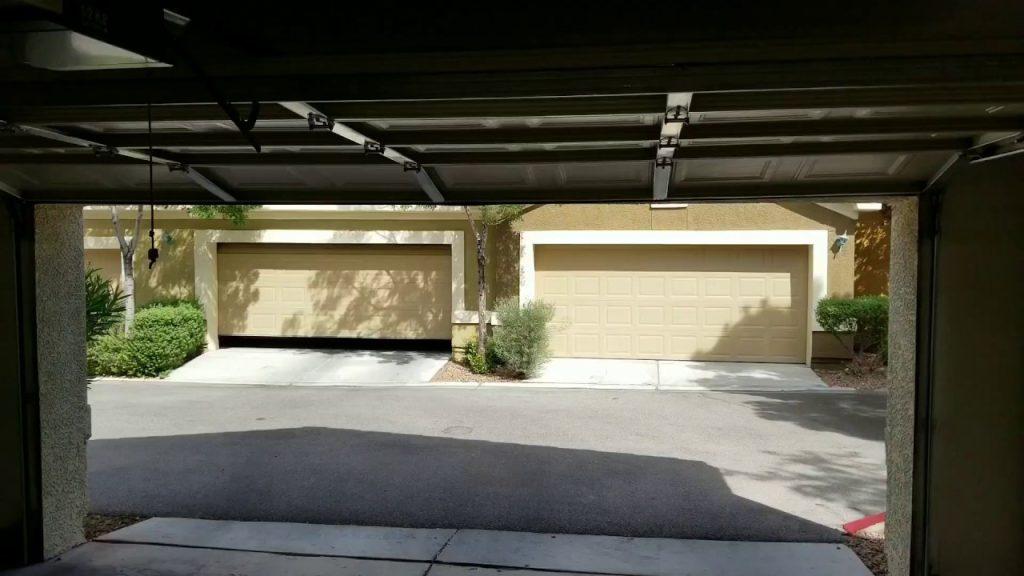
Identifying Why Your Garage Door Opener Will Not Close
Understanding the Problem
Before diving into troubleshooting steps, it’s crucial to identify the specific issue preventing your garage door opener from closing. Here are some common scenarios you may encounter:
- Partial Closure: Your garage door begins to close but then reverses before fully shutting.
- No Movement: The garage door does not respond to the close command at all, remaining in the open position.
- Repetitive Opening: The garage door opens and closes repeatedly without fully closing or staying closed.
Potential Causes
Several factors could contribute to a garage door opener failing to close properly:
- Safety Sensor Obstruction: Garage door openers are equipped with safety sensors that detect obstructions in the door’s path. If these sensors are blocked or misaligned, the opener may refuse to close to prevent accidents or damage.
- Sensor Misalignment: Even a slight misalignment of the safety sensors can trigger the opener to reverse the closing process. This often occurs due to accidental bumping or shifting of the sensors.
- Remote Control Issues: Problems with the remote control or its signal transmission can prevent the garage door opener from receiving the close command. This could be due to low battery levels, signal interference, or malfunctioning remote components.
- Track or Roller Problems: Issues with the garage door tracks or rollers, such as debris buildup, misalignment, or damage, can impede the smooth operation of the door, causing it to get stuck or fail to close properly.
Garage Door Opener Will Not Close: Troubleshooting Steps
1. Check Safety Sensor Alignment:
- Ensure that the safety sensors located near the bottom of the garage door tracks are properly aligned and free from obstructions. Clean any debris or dirt that may be blocking the sensor lenses and adjust the alignment as needed.
2. Inspect Remote Control Batteries:
- Replace the batteries in your garage door opener remote control if they are low or depleted. Weak batteries can cause signal transmission issues, preventing the opener from receiving the close command.
3. Test Wall Switch Operation:
- Verify that the wall switch for your garage door opener is functioning correctly. If the door closes properly using the wall switch but not the remote control, it may indicate a problem with the remote or its signal transmission.
4. Examine Garage Door Tracks and Rollers:
- Inspect the tracks and rollers of your garage door for any signs of damage, misalignment, or debris accumulation. Clean the tracks and lubricate the rollers to ensure smooth operation. Make any necessary adjustments or repairs to resolve issues with the door’s movement.
5. Reset the Opener:
- Perform a manual reset of your garage door opener by unplugging it from the power source for a few minutes, then plugging it back in. This can sometimes clear minor glitches and restore proper functionality.
Read too: The Complete Guide to Tighten Chain On Garage Door Opener for Smooth Operation
6. Consult Professional Assistance:
- If you’ve exhausted all troubleshooting steps and your garage door opener still will not close properly, consider seeking professional assistance from a qualified technician. They can diagnose the underlying issue and recommend appropriate repairs or replacements.
Conclusion
In conclusion, encountering issues where your garage door opener will not close properly can be frustrating, but it’s essential to address them promptly to ensure the safety and security of your home. By understanding common causes of closing problems and following the troubleshooting steps outlined in this guide, you can effectively resolve issues with your garage door opener and restore smooth operation.
Leave a Reply