Garage door tension springs play a pivotal role in ensuring the smooth and balanced movement of your garage door. However, over time, adjustments may be necessary to maintain optimal functionality. In this comprehensive guide, we’ll explore the step-by-step process of how to adjust garage door tension springs, empowering you to master the art of garage door maintenance.
Understanding the Importance of Garage Door Tension Springs
The Backbone of Balance: An Overview
Garage door tension springs, whether torsion or extension, counterbalance the weight of the door, making it easier to open and close. Properly adjusted tension springs ensure a smooth and balanced operation, prolonging the lifespan of your garage door and preventing unnecessary wear on other components.
Signs That Adjustment is Needed:
- Uneven Closing or Opening
- Excessive Noise During Operation
- Visible Gaps or Misalignment
- Difficulty in Manual Operation
How To Adjust Garage Door Tension Springs: A Step-by-Step Guide
Balancing Act: How To Adjust Torsion Springs
Adjusting torsion springs requires precision and caution. Follow these steps to achieve the perfect balance:
- Safety First:
- Disconnect the garage door opener to ensure it won’t interfere with the adjustment.
- Use winding bars to secure the tension in the springs.
- Always wear safety goggles and gloves.
- Locate the Winding Cone:
- Identify the winding cone at the end of the torsion spring.
- Insert a winding bar into one of the holes in the cone.
- Release Tension:
- Slowly turn the winding cone to release tension.
- Continue until the tension is fully released.
- Avoid removing the set screws completely.
- Adjustment Turns:
- Determine the necessary adjustment by consulting your garage door manual.
- Make quarter-turn adjustments, testing the door between each turn.
- Achieve the desired tension for smooth operation.
- Re-tighten Set Screws:
- Once adjustments are complete, re-tighten the set screws on the winding cone.
- Ensure the screws are secure but not overtightened.
Precision in Motion: How To Adjust Extension Springs
Adjusting extension springs is a different process but equally important. Follow these steps for a balanced adjustment:
- Release Tension:
- Open the garage door completely to release tension from the extension springs.
- Secure the door in place using locking pliers or vice grips.
- Identify the S-hooks:
- Locate the S-hooks that connect the extension springs to the track hangers.
- Use pliers to remove the S-hooks from the track hangers.
- Adjustment Clips:
- Extension springs often have adjustment clips that can be moved to increase or decrease tension.
- Move the clips to the desired notch, following the manufacturer’s recommendations.
- Reattach S-hooks:
- Once adjustments are made, reattach the S-hooks to the track hangers.
- Ensure the hooks are securely attached.
- Test and Fine-Tune:
- Slowly open and close the garage door to test the adjustments.
- Fine-tune as needed to achieve a smooth and balanced operation.
Additional Tips for Garage Door Tension Spring Adjustment:
- Balance Both Sides:
- Adjust both tension springs, even if only one side appears to be problematic.
- This ensures balanced operation and prevents strain on one side.
- Seek Professional Help if Unsure:
- If you are unsure or uncomfortable with the adjustment process, it’s advisable to seek professional assistance to avoid accidents or injuries.
- Regular Maintenance:
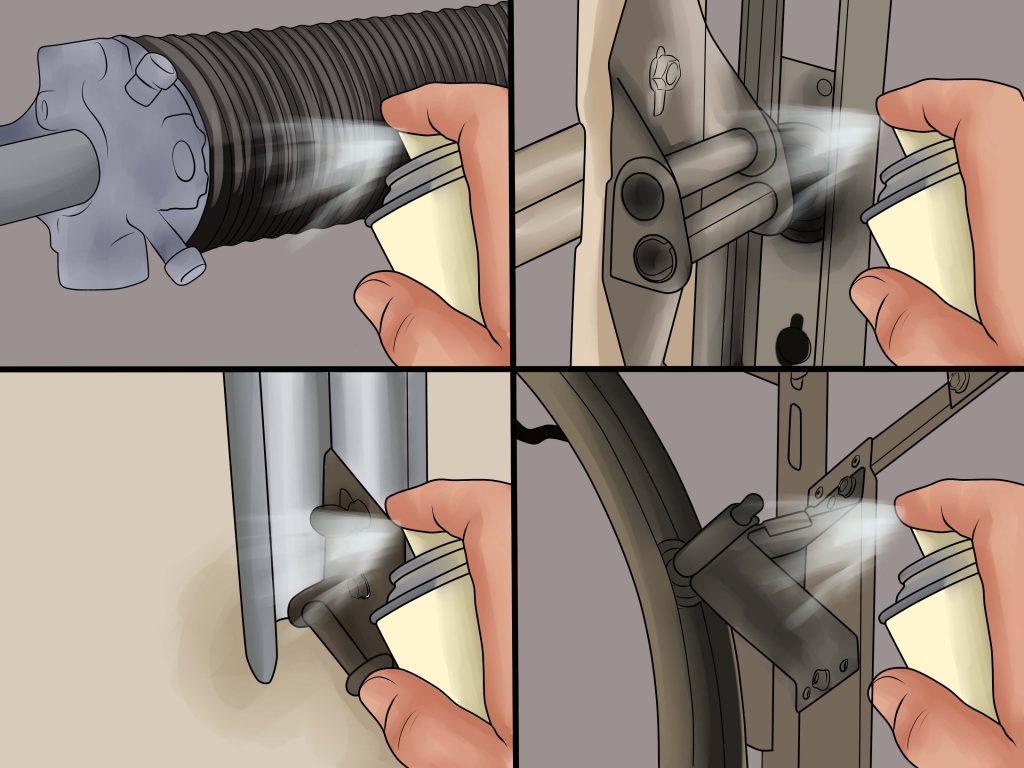
- Perform routine maintenance on your garage door, including lubricating moving parts and inspecting for wear and tear.
Read too: Why Is My Chamberlain Garage Door Opener Opening By Itself? Decoding the Mystery
Conclusion: Mastering the Art of Adjustment
In conclusion, knowing how to adjust garage door tension springs is a valuable skill for any homeowner. Regular adjustments ensure that your garage door operates smoothly and prevents unnecessary strain on various components. Remember, safety is paramount during the adjustment process, and seeking professional help is always an option if you are uncertain.
Master the art of precision, and your garage door will reward you with years of reliable and balanced operation.
Leave a Reply