If you’re upgrading, relocating, or repairing your system, knowing how to remove Craftsman garage door opener from wall is an important DIY skill. Many homeowners feel unsure about removing a wall-mounted opener because of wiring, weight, and safety concerns. This guide walks you through the entire process clearly and safely—even if you’ve never worked on a garage door system before.
Understanding Craftsman Garage Door Openers
Craftsman garage door openers are commonly found in U.S. homes, especially older and mid-range residential systems. Some models are ceiling-mounted, while others—particularly newer designs—are wall-mounted (jackshaft-style) openers installed beside the garage door.
Read too: How To Replace Garage Door Roller Like a Pro? Step-by-Step Guide
Common reasons homeowners remove wall-mounted openers:
- Upgrading to a newer smart opener
- Replacing a faulty motor unit
- Renovating the garage
- Repositioning for clearance or layout changes
Removing the opener correctly prevents damage to wiring, brackets, and the door system itself.
Is It Safe to Remove a Craftsman Opener Yourself?
Yes—if you follow proper safety steps.
DIY removal is safe when:
- Power is completely disconnected
- You are removing the motor unit only, not torsion springs
- The door is fully closed and stable
Call a professional if:
- The opener is integrated with the torsion spring system
- You are unsure about spring tension
- Structural brackets need modification
⚠️ Never attempt to loosen or remove torsion springs. These are under extreme tension and are not part of opener removal.
Tools and Materials You’ll Need
Prepare everything before starting to avoid mid-project interruptions.
Required tools:
- Socket wrench set (typically 7/16″ or 1/2″)
- Phillips and flat-head screwdrivers
- Adjustable wrench
- Step ladder
- Voltage tester
- Zip ties or electrical tape
- Safety gloves
Optional but helpful:
- Small container for screws
- Smartphone (to photograph wiring before removal)
Step-by-Step: How To Remove Craftsman Garage Door Opener From Wall
Step 1: Disconnect Power Completely
Safety first—always.
- Unplug the opener from the outlet
- If hardwired, turn off the circuit breaker
- Confirm power is off using a voltage tester
- Wait 60 seconds for residual power to discharge
Never work on a powered opener.
Step 2: Close and Secure the Garage Door
Ensure the door is fully closed.
- Prevents unexpected movement
- Reduces stress on the opener shaft
- Keeps the door balanced
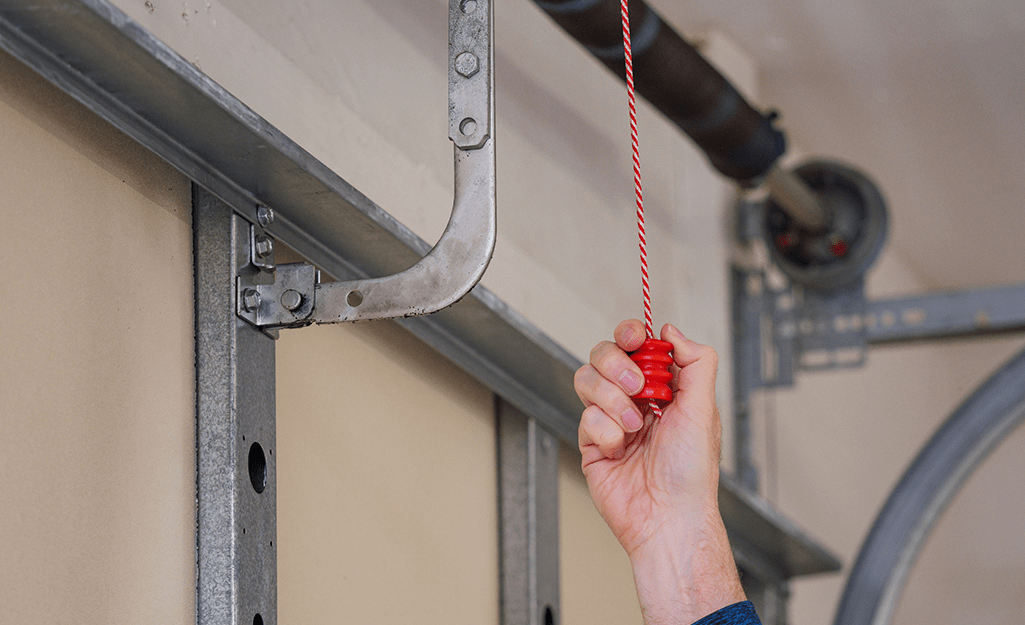
Do not disengage or adjust the torsion springs.
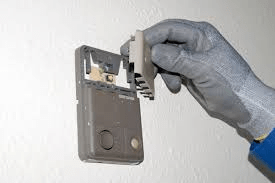
Step 3: Disconnect Wall Control and Sensor Wires
Before removing the unit:
- Locate the low-voltage terminals on the opener
- Gently remove:
- Wall control wires
- Safety sensor wires
- Label or photograph wire placement
Use zip ties to keep wires organized and out of the way.
Step 4: Detach the Opener From the Door Shaft
Wall-mounted Craftsman openers connect directly to the torsion shaft.
- Locate the set screws or clamp on the coupler
- Use a socket wrench to loosen (do not remove completely)
- Slide the opener slightly away from the shaft
The door should remain stable—if it moves, stop immediately.
Step 5: Support the Opener Weight
Craftsman wall-mounted openers typically weigh 25–40 lbs.
- Place one hand under the unit
- Or have a helper support it
- Do not let it hang by wiring or brackets
Step 6: Remove Wall Mounting Bolts
The opener is secured to a wall bracket or mounting plate.
- Locate 2–4 mounting bolts
- Remove bolts using a socket wrench
- Keep bolts if reusing the bracket
Once unbolted, carefully lift the opener off the wall.
Step 7: Remove the Opener From the Garage
With all connections released:
- Carry the opener away from the door
- Place it on a flat, stable surface
- Inspect for damage or reuse
At this point, the Craftsman garage door opener is fully removed.
What You Can Do After Removal
Once the opener is off the wall, you can:
- Install a new wall-mounted opener
- Convert to a ceiling-mounted system
- Repair or replace internal components
- Patch and repaint the wall
Always verify door balance before installing a new opener.
What NOT to Touch During Removal
Even with power disconnected, avoid:
- Torsion springs
- Spring anchor brackets
- Cable drums
- Center bearing plate
These components control door tension and require professional handling.
Common Problems and How to Fix Them
Opener Won’t Slide Off the Shaft
- Set screws not fully loosened
- Shaft slightly misaligned
- Light corrosion—apply gentle pressure only
Door Shifts When Opener Is Removed
- Door may be unbalanced
- Stop and contact a technician
Wires Are Too Short
- Disconnect fully at terminals
- Do not pull or stretch wires
Wall-Mounted vs Ceiling-Mounted Removal (Comparison)
| Feature | Wall-Mounted | Ceiling-Mounted |
|---|---|---|
| Difficulty | Moderate | Easy |
| Weight Handling | Required | Minimal |
| Spring Proximity | Close | Far |
| DIY Friendly | Yes (with care) | Yes |
Wall-mounted removal requires more caution due to proximity to springs.
Why Homeowners Remove Craftsman Wall Openers
The most common reasons include:
- Motor failure
- Wi-Fi upgrade
- Garage renovation
- Noise reduction
- Compatibility with new doors
Understanding the removal process saves hundreds in labor costs.
Helpful Safety Insight
Garage door openers work in tandem with spring systems that counterbalance door weight. For general background on garage door mechanisms, see Wikipedia:
https://en.wikipedia.org/wiki/Garage_door_opener
FAQ: How To Remove Craftsman Garage Door Opener From Wall
Q1: Can I remove a wall-mounted Craftsman opener myself?
Yes, as long as you do not touch the torsion springs and follow safety steps.
Q2: Do I need to remove the garage door to take off the opener?
No. The door stays fully closed and in place.
Q3: How long does removal usually take?
Most homeowners finish in 30–60 minutes.
Q4: Will removing the opener affect door balance?
It shouldn’t—unless the door was already unbalanced.
Q5: Can I reinstall the same opener later?
Yes, if it’s in good condition and mounted correctly.
Conclusion
Knowing how to remove Craftsman garage door opener from wall empowers homeowners to upgrade, repair, or reorganize their garage safely and confidently. By following proper steps—disconnecting power, supporting the unit, and avoiding spring components—you can complete the job without damage or risk.
If this guide helped you, share it on social media so other homeowners can tackle garage upgrades with confidence. 🚪🔧
Leave a Reply