Your garage door serves as an essential entry point to your home, and when it’s working smoothly, it’s easy to take for granted. However, if you’ve noticed that your garage door squeaks when opening, it can be more than just an annoying sound; it might be a sign of an underlying issue. In this article, we’ll explore the common causes of a squeaky garage door and provide you with solutions to help restore quiet, smooth operation.
Understanding the Squeaky Garage Door Dilemma:
A Noisy Mystery The source of a squeaky garage door can often be traced to various components that experience friction and wear over time. These components include the rollers, tracks, hinges, springs, and opener.
Common Causes of Garage Door Squeaking:
1. Lack of Lubrication:
- The most frequent cause of garage door squeaking is insufficient lubrication. Over time, the moving parts of your garage door can become dry and develop friction, leading to that annoying noise.
2. Worn-Out Rollers:
- Rollers are the wheels that guide the garage door along the tracks. If these rollers are old, damaged, or worn, they can produce a squeaking sound when they move along the track.
3. Loose or Damaged Hinges:
- Hinges that connect the garage door panels can become loose or damaged, causing noise as the door moves.
4. Rusty Springs:
- Rust can develop on the springs, which support the weight of the door. Rusty springs can create friction and noise when they contract and expand.
5. Misaligned Tracks:
- Garage door tracks can become misaligned due to various factors. Misalignment can cause the door to rub against the tracks, leading to squeaking.
Solutions for a Quieter Garage Door:
1. Lubrication:
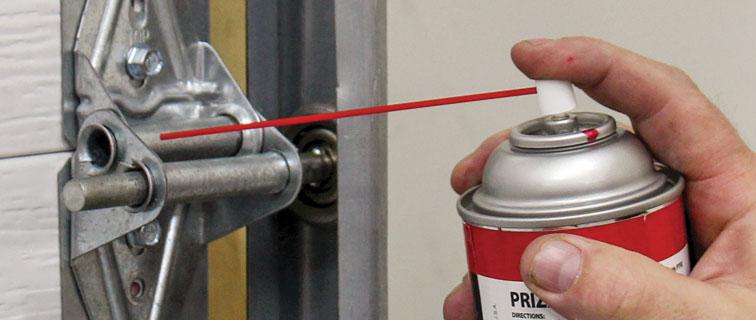
- Regularly lubricate all moving parts of your garage door, including the rollers, tracks, hinges, and springs. Use a silicone-based lubricant for best results.
- If your rollers are worn or damaged, consider replacing them with new, nylon rollers. Nylon rollers are quieter and more durable than metal ones.
3. Tighten Hinges and Hardware:
- Ensure that all hinges and hardware are securely tightened. Loose components can contribute to noise.
4. Rust Prevention:
- To prevent rust on springs, consider applying a rust-inhibiting spray or lubricant. If rust is severe, consult a professional for spring replacement.
5. Track Alignment:
- Inspect the tracks for misalignment. If you notice any issues, such as bent tracks, consult a garage door technician to realign or replace them.
Regular Maintenance for a Quieter Garage Door:
Maintaining a quiet garage door involves more than just addressing squeaks when they occur. Regular maintenance can help prevent noise issues and extend the lifespan of your garage door. Here are some maintenance tips:
1. Visual Inspection:
- Regularly inspect your garage door and its components for signs of wear, damage, or misalignment.
2. Lubrication:
- Apply lubricant to all moving parts at least once a year, or more frequently if you use your garage door frequently.
3. Tighten Hardware:
- Check and tighten all bolts and screws to ensure that the door and its components are secure.
4. Professional Inspection:
- Consider scheduling an annual professional inspection of your garage door to identify and address potential issues before they become major problems.
Conclusion:
A squeaky garage door may be irritating, but it’s also a signal that your door needs attention. By identifying the causes of the noise and implementing the appropriate solutions and maintenance practices, you can enjoy a quieter and more efficient garage door for years to come.
Leave a Reply