If My Garage Door Closes And Then Opens Back Up is the problem you’re facing, you’re not alone. This frustrating issue is one of the most common garage door complaints in the U.S.
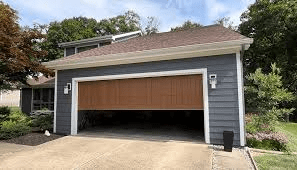
The good news? In most cases, the fix is simple and doesn’t require replacing the entire opener. Let’s walk through the exact causes — and how to fix them step by step.
Why Does My Garage Door Close And Then Open Back Up?
When your garage door touches the ground and suddenly reverses, it’s usually a safety system response — not a random malfunction.
Read too: Mastering Quantum Garage Door Opener Programming: A Comprehensive Guide
Modern garage door openers are designed with auto-reverse technology to prevent injury and damage. According to safety guidelines from the U.S. Consumer Product Safety Commission, garage doors must automatically reverse if they detect obstruction or excess resistance.
Most systems rely on:
- Photo-eye safety sensors
- Force settings
- Limit settings
- Track alignment
- Spring tension
To understand how these components work together, you can review the basic mechanics of a garage door system on Wikipedia.
Now let’s break down the most common causes.
1. Are the Safety Sensors Misaligned or Dirty?
The #1 Cause of Reversing Doors
If your garage door closes and then opens back up, misaligned photo-eye sensors are the most common culprit.
These sensors sit about 4–6 inches above the ground on each side of the door. They shoot an invisible infrared beam across the opening. If the beam is interrupted, the door reverses.
Signs of Sensor Problems:
- One sensor light is blinking
- One light is off completely
- Door reverses immediately after touching floor
- Door won’t close unless you hold the wall button
Step-by-Step Fix:
- Turn off power to the opener.
- Clean both sensor lenses with a soft microfiber cloth.
- Check alignment:
- Both LED lights should be solid (not blinking).
- Adjust by gently loosening the wing nut and repositioning until lights stay steady.
- Tighten and test the door.
💡 Pro Tip: Even a slight bump from a trash bin can knock sensors out of alignment.
2. Are the Close Limit Settings Incorrect?
What Are Limit Settings?
Limit settings tell the opener how far the door should travel before stopping.
If the close limit is set too high, the door hits the ground, thinks it hit an object, and reverses.
How to Adjust Close Limit:
- Locate limit adjustment screws on the motor housing.
- Identify the “Down” or “Close” limit screw.
- Turn clockwise in small increments (¼ turn).
- Test after each adjustment.
Most manufacturers recommend adjusting gradually to avoid over-correction.
3. Is There Resistance on the Track?
Garage doors weigh between 130–350 pounds, depending on material. They rely on smooth track movement.
If the door meets resistance near the bottom, the opener senses excess force and reverses.
Check for:
- Debris in tracks
- Bent track sections
- Rust buildup
- Loose mounting brackets
Quick Inspection Routine:
- Use a flashlight.
- Run your hand (carefully) along the inside track.
- Tighten loose bolts with a socket wrench.
- Clean with a damp cloth (avoid heavy grease).
⚠️ Never bend tracks aggressively — severe misalignment may require professional repair.
4. Could the Force Settings Be Too Sensitive?
Force settings control how much power the opener uses.
If set too low, normal resistance feels like an obstacle — triggering reversal.
How to Adjust Force Settings:
- Locate “Up Force” and “Down Force” dials.
- Increase “Down Force” slightly.
- Test closure.
- Repeat gradually if needed.
Do not increase excessively — safety compliance matters.
5. Are the Springs or Cables Damaged?
Broken torsion or extension springs can create uneven tension.
Warning Signs:
- Loud snapping noise recently
- Door feels extremely heavy
- Door closes unevenly
- Gaps in torsion spring
If you suspect a broken spring, do not attempt DIY replacement. Spring systems are under high tension and can cause serious injury.
According to industry reports, spring failures account for nearly 30% of garage door service calls annually in the U.S.
Quick Diagnosis Table
| Symptom | Likely Cause | DIY Fix? |
|---|---|---|
| Blinking sensor light | Misalignment | Yes |
| Door hits floor & reverses | Limit setting | Yes |
| Jerky movement | Track obstruction | Yes |
| Door heavy or crooked | Spring issue | No |
| Only closes when holding button | Sensor problem | Yes |
What If My Garage Door Only Closes When I Hold the Button?
This is a classic safety override mode.
Holding the wall button forces the door to close, bypassing the photo-eye sensors. That confirms your sensors are blocked or misaligned.
Fix sensors first before assuming motor failure.
Should I Reset My Garage Door Opener?
Yes — sometimes.
How to Perform a Basic Reset:
- Unplug the opener.
- Wait 60 seconds.
- Plug back in.
- Reprogram remote if necessary.
Resetting can clear minor electronic glitches but won’t fix mechanical issues.
When Should You Call a Professional?
Call a licensed technician if:
- Springs are broken
- Door comes off track
- Motor makes grinding noises
- Adjustments don’t fix reversal
Professional inspection typically costs $75–$150, while full opener replacement ranges from $300–$600 installed.
FAQ Section
Why does my garage door go back up after hitting the floor?
This usually means the close limit is set too high or sensors detect resistance. Adjust the down limit in small increments.
How do I know if my garage door sensors are bad?
If sensor lights won’t stay solid after cleaning and alignment, they may be defective. Replacement sensors typically cost $20–$50.
Can cold weather cause my garage door to reopen?
Yes. Metal contracts in cold temperatures, increasing resistance. Lubricate rollers and hinges with silicone-based lubricant.
Is it safe to increase the force setting?
Yes — slightly. But avoid large increases. Over-adjusting defeats safety features.
Why does my garage door reverse before touching the ground?
This usually indicates an obstruction in the track or sensor beam interference.
Conclusion
When My Garage Door Closes And Then Opens Back Up, it’s usually a sensor, limit, or force adjustment issue — not a total system failure.
Start with the simple checks:
- Clean and align sensors
- Adjust close limit
- Inspect tracks
- Test force settings
Most homeowners fix the issue in under 30 minutes without professional help.
If this guide helped you solve the problem, consider sharing it with friends or posting it on social media — someone else might be dealing with the same frustrating garage door situation today.
Leave a Reply