Introduction
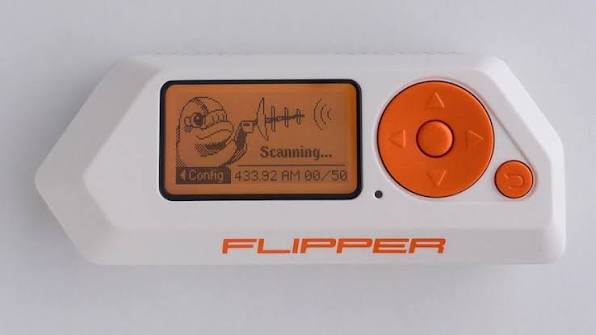
Have you ever worried that your garage door remote could be intercepted by someone with malicious intent? With the rise of affordable multi-tools like the Flipper Zero, many homeowners are curious about how to use Flipper Zero as garage door opener to test their own security or understand the technology behind it. While the device is powerful, using it correctly requires understanding both the technical mechanics and the legal boundaries to ensure you stay on the right side of the law while keeping your home secure.
Understanding the Technology Behind Garage Doors
Before attempting any interaction with your garage door system, it is crucial to understand how these devices communicate. Most modern garage door openers operate on radio frequencies, typically in the Sub-GHz range (300–400 MHz in the US). The Flipper Zero is equipped with a Sub-GHz transceiver that can receive, analyze, and transmit these signals.
However, not all garage doors are created equal. Older models often use “fixed code” systems, where the remote sends the exact same digital sequence every time you press the button. Newer, more secure models use “rolling codes” (or hopping codes), where the code changes with every single use to prevent interception.
Why Does This Matter?
If you are looking into how to use Flipper Zero as garage door opener, you must first identify which type of system you have. Attempting to replay a rolling code can sometimes desynchronize your original remote, locking you out until you reprogram the system. Always check your opener’s manual or model number before proceeding.
Is It Legal to Use Flipper Zero on Garage Doors?
This is the most critical question for any US-based user. The legality of using a Flipper Zero depends entirely on intent and ownership.
- Legal: Testing your own garage door system to identify vulnerabilities.
- Legal: Using the device with explicit written permission from the property owner.
- Illegal: Accessing someone else’s garage door without permission. This falls under the Computer Fraud and Abuse Act (CFAA) and various state-level cybercrime laws.
Expert Insight: According to cybersecurity professionals, ethical hacking tools are only ethical when used in controlled, authorized environments. Never test signals on neighbors’ homes or public buildings.
For a deeper understanding of radio frequency regulations in the United States, you can refer to the Federal Communications Commission (FCC) guidelines or general technical overviews on Wikipedia regarding how these openers function technically.
Step-by-Step: How to Use Flipper Zero as Garage Door Opener
If you have confirmed that you own the system and want to test its security, follow these precise steps. Note that this process is primarily effective on older, fixed-code systems.
Step 1: Prepare Your Flipper Zero
Ensure your Flipper Zero is updated to the latest official firmware. Outdated firmware may lack necessary protocol libraries or have bugs that could cause transmission errors. Charge the device fully to prevent signal interruption during the capture process.
Step 2: Enter the Sub-GHz Menu
- Turn on your Flipper Zero.
- Navigate to the Sub-GHz application using the directional pad.
- Select Frequency Analyzer. This tool helps you identify the exact frequency your garage remote uses.
Step 3: Capture the Signal
- Stand within 5–10 feet of your garage door motor unit.
- Press the button on your physical garage remote.
- Watch the Flipper Zero screen. It should detect a signal spike and display the frequency (e.g., 315 MHz or 390 MHz).
- Note this frequency. If the signal is weak, move closer or check the battery in your original remote.
Step 4: Read and Save the Key
- Go back to the main Sub-GHz menu.
- Select Read.
- Choose the frequency you identified in Step 3.
- Press the button on your garage remote again.
- The Flipper Zero will attempt to decode the signal. If successful, it will save the key to its internal storage.
Step 5: Transmit the Signal
- Go to Saved in the Sub-GHz menu.
- Select the file you just created.
- Choose Send.
- Point the Flipper Zero at the garage door motor and press the center button.
If the door opens, you have successfully replicated the signal. If it does not, your system likely uses rolling codes, which cannot be simply replayed due to encryption and sequence validation.
Fixed Code vs. Rolling Code: A Comparison
Understanding the difference between these two technologies is vital for assessing your home’s security risk.
| Feature | Fixed Code Systems | Rolling Code Systems |
|---|---|---|
| Security Level | Low | High |
| Signal Behavior | Same code sent every time | Code changes with each use |
| Flipper Zero Compatibility | Easy to capture and replay | Cannot be simply replayed |
| Vulnerability | High risk of “Replay Attacks” | Resistant to basic replay attacks |
| Era of Manufacture | Pre-2000s (mostly) | Post-2000s (standard today) |
The Risk of Replay Attacks
A “replay attack” occurs when an attacker records your valid signal and plays it back later to open your door. This is why how to use Flipper Zero as garage door opener is often discussed in the context of security auditing rather than daily convenience. If your door uses fixed codes, it is highly vulnerable to this type of breach.
How to Secure Your Garage Door Against Hacking
If you discovered that your garage door is vulnerable during your testing, take immediate action to secure your home.
- Upgrade to a Rolling Code Opener: If your unit is old, consider replacing the motor unit or adding a smart controller that supports encrypted signals.
- Disable Remote Access: If you rarely use the remote, consider disabling the receiver on the motor unit and using a keypad or smartphone app instead.
- Use a Signal Blocker Bag: Store your physical remotes in a Faraday bag when not in use. This prevents attackers from capturing signals even if they are near your home.
- Regularly Change Codes: Some systems allow you to reset the pairing codes. Do this annually or if you suspect unauthorized access.
Frequently Asked Questions (FAQ)
Can Flipper Zero open all garage doors?
No. Flipper Zero can easily open older garage doors that use fixed codes. However, it cannot open modern doors that use rolling codes or encrypted signals without significant advanced modification and brute-force attempts, which are illegal and impractical for most users.
Will using Flipper Zero break my garage door remote?
There is a risk. If you attempt to transmit a captured rolling code, it may advance the code sequence on the motor unit without your physical remote knowing. This can desynchronize your original remote, requiring you to reprogram it. Always exercise caution with rolling code systems.
Is it illegal to own a Flipper Zero in the US?
No, owning a Flipper Zero is legal in the United States. However, using it to access systems you do not own or have permission to test is illegal. The device itself is a tool; the legality depends on how it is used.
What frequency do most US garage doors use?
Most garage door openers in the United States operate on either 315 MHz or 390 MHz. Some newer smart systems may use Wi-Fi (2.4 GHz) or Bluetooth, which require different modules and approaches than the standard Sub-GHz radio used for traditional remotes.
Can I use Flipper Zero as a daily garage door opener?
Technically, yes, if your system uses fixed codes. However, it is not recommended. The Flipper Zero is bulkier than a standard remote, has shorter battery life, and lacks the reliability of a dedicated key fob. It is best used as a diagnostic tool rather than a daily driver.
Conclusion
Learning how to use Flipper Zero as garage door opener provides valuable insight into the security of your home automation systems. While it can be a fascinating technical exercise, it highlights the importance of upgrading from vulnerable fixed-code systems to modern, encrypted rolling-code openers.
By understanding the technology, respecting legal boundaries, and taking proactive steps to secure your garage, you can enjoy peace of mind. Remember, the goal of ethical hacking is not to exploit vulnerabilities, but to identify and fix them.
Did you find this guide helpful? Share this article with your friends on social media to help them understand the security risks of their garage doors and stay safe in the digital age!
Leave a Reply