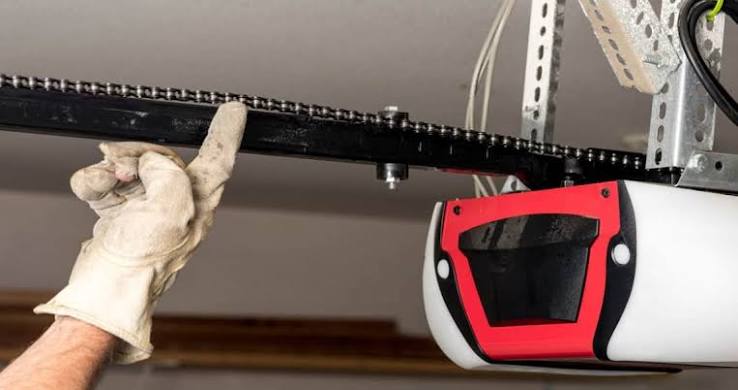
If you are standing in your garage, staring at two different boxes and wondering which motor will serve your home best, you are not alone. The debate between these two mechanisms is one of the most common dilemmas for homeowners looking to upgrade their security and convenience. When asking is belt or chain drive garage door opener better, the answer largely depends on your specific priorities regarding noise levels, budget, and long-term maintenance.
Understanding the Core Mechanisms
Before diving into the comparison, it is essential to understand how these systems actually work. Both types of openers use a motor to lift the heavy weight of your garage door, but they transfer that power differently.
A chain drive opener uses a metal chain, similar to a bicycle chain, to pull the trolley that lifts the door. It is the oldest and most traditional technology in the industry. On the other hand, a belt drive opener uses a steel-reinforced rubber belt. This belt functions similarly to a timing belt in a car engine, offering a smoother transmission of power.
While the end result—your door opening—is the same, the experience during operation varies significantly. Understanding this mechanical difference is the first step in making an informed decision for your home.
Noise Level: The Silent Winner
For most homeowners, especially those with bedrooms above or adjacent to the garage, noise is the primary concern. This is where the two technologies diverge sharply.
Why Belt Drives Are Quieter
Belt drive openers are renowned for their whisper-quiet operation. The rubber belt absorbs vibration and eliminates the metal-on-metal grinding sound associated with chains. If you have a family member who works night shifts or if you simply value peace and quiet, a belt drive is often the superior choice.
- Decibel Levels: Belt drives typically operate between 40–50 decibels, comparable to a quiet library.
- Vibration: Minimal vibration means less wear on the garage structure itself.
The Chain Drive Reality
Chain drives are inherently louder. As the metal chain moves over the metal sprocket, it creates a distinct rattling or humming noise. While modern chain drives have improved with nylon rollers and better insulation, they cannot match the silence of a belt system.
- Decibel Levels: Chain drives usually operate between 60–70 decibels, similar to a normal conversation or a dishwasher.
- Best Use Case: Ideal for detached garages or homes where the garage is far from living spaces.
Durability and Lifespan Comparison
A common myth is that because belt drives are quieter, they are less durable. However, modern engineering has closed this gap significantly. Let’s look at the facts.
| Feature | Chain Drive | Belt Drive |
|---|---|---|
| Material | Metal Chain | Steel-Reinforced Rubber |
| Lifespan | 10–15 Years | 10–15 Years |
| Maintenance | Requires Lubrication | Low Maintenance |
| Weather Resistance | High (but can rust) | High (resistant to rust) |
| Strength | Extremely High | Very High |
Chain Drive Durability
Chain drives are built like tanks. They are incredibly strong and can handle heavy wooden doors or double-car garage doors with ease. However, metal is susceptible to rust if not maintained, and the constant friction requires periodic lubrication to prevent premature wear.
Belt Drive Durability
Modern belts are made with high-tensile steel cords reinforced with rubber. They are resistant to rust and do not require lubrication. While extreme cold can sometimes make rubber slightly less flexible, high-quality belts are designed to withstand temperature fluctuations without cracking. For more detailed technical specifications on materials, you can refer to general mechanical engineering principles on Wikipedia.
Cost Analysis: Initial Investment vs. Long-Term Value
Budget is often the deciding factor for many homeowners. Here is how the costs break down.
Upfront Costs
- Chain Drive: Generally cheaper. You can find reliable models starting from $150 to $250.
- Belt Drive: More expensive due to the cost of materials and engineering. Prices typically range from $250 to $400+.
Long-Term Costs
While the chain drive wins on initial price, consider the long-term view. Chain drives require regular maintenance, such as lubricating the chain and checking for tension issues. Belt drives are virtually maintenance-free. Over a 10-year period, the time and cost of maintenance for a chain drive might narrow the price gap, though the belt drive usually remains the more premium option.
Installation and Maintenance Ease
If you are a DIY enthusiast, you might be wondering which system is easier to install and maintain.
Installation Process
Both systems are surprisingly similar in terms of installation complexity. Most modern openers come with rail systems that are pre-assembled or easy to put together. The main difference lies in the tensioning process.
- Chain Drives: Require precise tensioning. Too loose, and it slips; too tight, and it wears out the motor bearings.
- Belt Drives: Also require tensioning, but the margin for error is slightly more forgiving due to the flexibility of the rubber.
Maintenance Requirements
- Chain Drive: You must lubricate the chain every 6–12 months using a silicone-based or lithium-based grease. Avoid WD-40 as it attracts dust.
- Belt Drive: Simply inspect the belt for signs of wear or cracking once a year. No lubrication is needed, which keeps your garage floor clean and free of oil stains.
Performance in Extreme Weather
Your location plays a crucial role in determining which opener is better for you.
Cold Climates
In freezing temperatures, metal contracts. Chain drives can become stiff and noisy in the cold. Belts, depending on the quality of the rubber compound, may also stiffen but generally offer smoother operation in sub-zero temperatures if they are rated for cold weather. Always check the manufacturer’s temperature rating.
Hot and Humid Climates
Humidity is the enemy of metal chains, leading to rust and corrosion. Belt drives, being made of rubber and steel encased in rubber, are naturally more resistant to humidity-induced corrosion. If you live in a coastal area or a humid state like Florida, a belt drive might offer better longevity.
Which One Should You Choose?
To help you decide, here is a quick checklist based on user intent.
Choose a Chain Drive If:
- You are on a strict budget.
- Your garage is detached or far from living areas.
- You have a very heavy, solid wood door.
- You don’t mind performing occasional maintenance.
Choose a Belt Drive If:
- Quiet operation is a top priority.
- You have rooms above or next to the garage.
- You prefer a low-maintenance appliance.
- You are willing to pay a premium for comfort and convenience.
Frequently Asked Questions
1. Can I convert my chain drive opener to a belt drive?
No, you cannot simply swap the chain for a belt. The sprockets and motor housing are designed specifically for either a chain or a belt system. To switch, you would need to replace the entire opener unit.
2. Do belt drives break easily?
Modern steel-reinforced belt drives are extremely durable and rarely break under normal use. They are designed to last as long as the motor itself. However, like any mechanical part, they can wear out over 10–15 years.
3. Is a chain drive stronger than a belt drive?
Historically, yes. But today, high-quality belt drives are just as strong as chain drives for residential use. Both can easily lift standard double-car garage doors. Only in extreme industrial applications might chain drives have a slight edge in raw tensile strength.
4. How often should I lubricate my chain drive opener?
It is recommended to lubricate the chain every 6 to 12 months. Use a garage door-specific lubricant or a light machine oil. Avoid heavy greases that can attract dirt and gum up the mechanism.
5. Are belt drive openers worth the extra cost?
For most homeowners, yes. The reduction in noise pollution and the lack of maintenance requirements provide significant value over the lifespan of the unit. If you value peace and quiet, the extra $100–$150 is a worthwhile investment.
6. Does the type of drive affect the speed of the door?
Not significantly. Both chain and belt drives operate at similar speeds, typically lifting the door at a rate of 7–8 inches per second. The difference is in the smoothness and sound, not the velocity.
Conclusion
So, is belt or chain drive garage door opener better? There is no single “best” option, only the best option for your specific situation. If budget is your main constraint and noise is not an issue, the chain drive remains a robust, time-tested workhorse. However, if you seek a quieter, smoother, and lower-maintenance experience, the belt drive is the clear winner for modern homes.
Investing in the right opener enhances your daily life, providing seamless access to your home while reducing annoyance. Take a moment to evaluate your garage’s location relative to your living space and your willingness to perform maintenance.
Did this guide help you make your decision? Share this article with your friends or family who are also struggling with their garage door choices! Let’s help everyone enjoy a quieter, more efficient home.
Leave a Reply