Have you ever been woken up at 6 AM by the loud clanking of your garage door opening? Or perhaps you are planning a new installation and feel overwhelmed by the technical choices. You are not alone in asking: is belt or chain better for garage door opener systems? This decision impacts your daily comfort, maintenance budget, and long-term satisfaction with your home automation.
Choosing the right drive mechanism is crucial because it determines how your garage door operates every single day. While both systems lift your heavy door effectively, they differ significantly in noise levels, durability, and price. In this comprehensive guide, we will break down the pros and cons of each type to help you make an informed decision that fits your specific needs and lifestyle.
How Do Belt and Chain Drive Systems Work?
Before diving into the comparison, it is essential to understand the basic mechanics behind these two popular options. Both systems connect the motor to the trolley that moves the door along the track, but they use different materials to transmit power.
The Chain Drive Mechanism
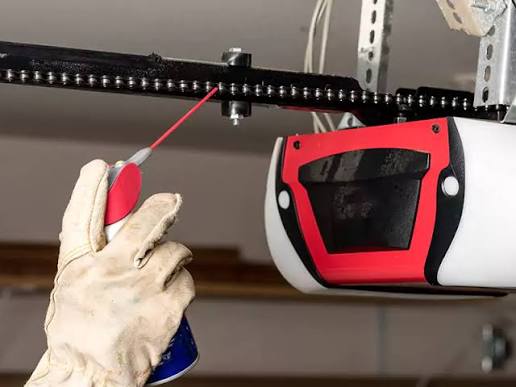
Chain drive openers use a metal chain, similar to a bicycle chain, to pull the trolley. This is the oldest and most traditional technology in the industry. Because it relies on metal-on-metal contact, it is incredibly robust but inherently noisy. The chain stretches slightly over time, which may require occasional tension adjustments.
The Belt Drive Mechanism
Belt drive openers use a reinforced rubber or polyurethane belt, often embedded with steel wires for strength. This material absorbs vibration much better than metal. The result is a smoother, quieter operation. Belts do not stretch as noticeably as chains, meaning they generally require less maintenance regarding tension adjustments.
Is Belt or Chain Better for Garage Door Opener Noise Levels?
If you live in a home where the garage is attached to living spaces, or if you have bedrooms above the garage, noise is likely your top priority. This is where the difference between the two systems becomes most apparent.
Chain drives are notoriously loud. The metal links clatter against the metal sprocket and rail every time the door moves. This sound can reach decibel levels comparable to a vacuum cleaner or a loud conversation. For many homeowners, this is acceptable if the garage is detached or far from living areas. However, if you work from home or have light sleepers in the house, the constant clanking can become a significant nuisance.
Belt drives, on the other hand, are designed for silence. The rubber or polymer material dampens the vibration and eliminates the metallic clatter. Most belt drive models operate at a whisper-quiet level, often described as barely audible from inside the house. If you plan to convert your garage into a workspace, gym, or studio, a belt drive is almost always the superior choice for maintaining a peaceful environment.
Expert Insight: According to industry standards, belt drive openers can reduce operational noise by up to 70% compared to traditional chain drives. This makes them ideal for multi-story homes and urban settings where noise pollution is a concern.
Durability and Lifespan: Which Lasts Longer?
When investing in a garage door opener, you want a system that will last for years without frequent repairs. Let’s look at how belt and chain systems hold up over time.
Chain Drive Durability
Metal chains are incredibly strong and resistant to wear and tear. They can handle heavy doors, including solid wood or insulated steel doors, without straining. A well-maintained chain drive can last 15–20 years. However, they are susceptible to rust if exposed to high humidity or salt air, unless they are coated or made of stainless steel. Regular lubrication is necessary to keep the chain running smoothly and prevent premature wear.
Belt Drive Durability
Modern belts are engineered to be extremely durable. Made from reinforced rubber or polyurethane, they are resistant to stretching and breaking. While early belt drives had concerns about longevity, today’s models are built to last just as long as chain drives, often exceeding 15 years with minimal maintenance. Belts do not require lubrication, which eliminates the mess and potential attraction of dust and debris. However, extreme temperatures can affect rubber components over time, so proper insulation in the garage is beneficial.
| Feature | Chain Drive | Belt Drive |
|---|---|---|
| Material | Metal Chain | Reinforced Rubber/Polymer |
| Noise Level | High (Clanking) | Low (Whisper Quiet) |
| Maintenance | Regular Lubrication | Minimal to None |
| Durability | Very High | High |
| Cost | Lower | Higher |
| Best For | Detached Garages, Heavy Doors | Attached Garages, Noise Sensitivity |
Cost Comparison: Initial Investment vs. Long-Term Value
Budget is a decisive factor for most homeowners. Understanding the cost difference helps you weigh immediate expenses against long-term benefits.
Chain drive openers are the most affordable option on the market. Their simple design and mass production keep costs low. You can find reliable chain drive models for $150–$250, making them attractive for budget-conscious buyers or rental properties.
Belt drive openers typically cost 20–30% more than their chain counterparts. Prices usually range from $250–$400 for high-quality models. While the upfront cost is higher, the reduced maintenance needs and enhanced comfort can provide better long-term value. Additionally, if you plan to sell your home, a quiet, modern belt drive system can be a selling point for potential buyers.
For more detailed technical specifications on garage door mechanisms, you can refer to Wikipedia’s entry on Garage Door Openers, which provides a broad overview of the evolution of these technologies.
Maintenance Requirements: What Does Each Need?
Ease of maintenance is another critical consideration. Nobody wants to spend their weekends greasing machinery.
- Chain Drives: Require regular lubrication every 6–12 months using a silicone-based or lithium grease spray. You must also check the chain tension periodically to ensure it is not too loose or too tight. Neglecting this can lead to premature wear on the sprockets and motor.
- Belt Drives: Are virtually maintenance-free. Since there is no metal-on-metal friction, lubrication is not needed. You only need to visually inspect the belt occasionally for signs of cracking or wear, which is rare in modern units. This “set it and forget it” nature is a major advantage for busy homeowners.
Which System Is Best for Heavy Doors?
If you have a custom wooden door or a heavily insulated steel door, weight is a concern. Both systems are capable of lifting heavy doors, provided the motor has sufficient horsepower (HP).
- Chain Drives: Have a slight edge in raw pulling power due to the strength of metal. They are traditionally preferred for very heavy commercial-style doors.
- Belt Drives: Modern belt drives are rated for the same weight capacities as chain drives. A ½ HP or ¾ HP belt drive motor can easily handle residential heavy doors. Ensure you check the manufacturer’s weight rating before purchasing.
FAQ Section
1. Can I replace my chain drive with a belt drive?
Yes, in most cases, you can upgrade from a chain to a belt drive. However, it often requires replacing the entire opener unit rather than just the drive mechanism. Consult a professional installer to ensure compatibility with your existing rail and door setup.
2. Do belt drives break easily in cold weather?
Modern belt materials are designed to withstand a wide range of temperatures. While extreme cold can make rubber slightly less flexible, high-quality belts are tested for durability in harsh climates. If you live in an area with severe winters, ensure your garage is somewhat insulated to protect all opener components.
3. Is a chain drive louder than a belt drive?
Yes, significantly. Chain drives produce a distinct clanking sound due to metal links moving over metal gears. Belt drives use rubber or polymer, which absorbs vibration and operates nearly silently.
4. How often should I lubricate my chain drive opener?
It is recommended to lubricate the chain every 6 to 12 months. Use a silicone-based lubricant or white lithium grease. Avoid using WD-40 as it can attract dust and eventually dry out, leading to increased friction.
5. Which is better for a home office above the garage?
A belt drive is unequivocally better for this scenario. The quiet operation ensures that the opening and closing of the garage door will not disrupt your work calls or concentration.
6. Do belt drives cost more to repair?
Generally, belt drives have fewer moving parts that require attention, so repair frequency is lower. If a belt does need replacement, the part cost is comparable to a chain, but labor might be slightly higher due to the precision required. However, total lifetime maintenance costs are often lower for belt drives.
Conclusion
So, is belt or chain better for garage door opener systems? The answer depends on your specific priorities. If budget is your primary concern and noise is not an issue, a chain drive offers reliable, cost-effective performance. However, if you value peace, quiet, and low maintenance, a belt drive is the superior investment for your home.
Consider your living situation, the location of your garage, and your long-term comfort. For most modern homeowners, especially those with attached garages, the belt drive’s quiet operation and ease of care make it the winner.
Did this guide help you decide? Share this article with friends or family who are also struggling with this choice! Follow us on social media for more home improvement tips and expert advice.
Leave a Reply