Garage door openers are a vital part of home security and convenience, allowing homeowners to access their garages effortlessly. But one question that often arises is: “Can a power surge damage a garage door opener?” Power surges are sudden increases in electrical voltage that can happen for various reasons, including lightning strikes, faulty wiring, or issues with the power grid. Understanding how these surges affect your garage door opener and what preventive measures to take is crucial for maintaining its functionality and longevity.
In this comprehensive guide, we’ll explore whether a power surge can damage a garage door opener, how to identify risks, and practical strategies to protect this essential home system.
Can A Power Surge Damage A Garage Door Opener? Understanding the Risks
The short answer is yes, a power surge can damage a garage door opener. Garage door openers contain sensitive electrical components such as motors, circuit boards, and sensors. When a sudden surge of electricity occurs, these components may be overloaded, potentially causing permanent damage.
Read too: How To Replace Garage Door Roller Like a Pro? Step-by-Step Guide
Here are some key ways a power surge can affect your garage door opener:
- Circuit Board Damage
The control board of a garage door opener is the brain of the system. A sudden spike in voltage can fry the microprocessors, rendering the opener inoperable. - Motor Overload
Surges can cause motors to overheat or burn out. Even if the motor survives, repeated exposure to surges can reduce its lifespan. - Remote Control and Sensor Malfunctions
Wireless remotes and safety sensors are also susceptible to electrical surges. Damage may result in erratic operation or complete failure. - System Short Circuits
A severe surge can create short circuits within the opener, potentially leading to sparks, smoke, or fire hazards.
Common Causes of Power Surges Affecting Garage Door Openers
Understanding the sources of power surges helps homeowners take preventive action:
- Lightning Strikes: The most dramatic cause of power surges, lightning can send thousands of volts through your home’s wiring.
- Faulty Wiring: Homes with outdated or damaged wiring are more vulnerable to voltage fluctuations.
- Utility Grid Issues: Power companies sometimes experience voltage spikes when restoring power or managing high demand.
- Large Appliances: Heavy appliances like air conditioners or refrigerators turning on can cause minor surges that accumulate over time.
Signs That Your Garage Door Opener Was Damaged by a Power Surge
After a surge, it’s important to identify potential damage early to prevent further issues. Watch for these signs:
- Opener fails to respond to remote or wall control commands
- Unusual noises from the motor, such as humming, grinding, or clicking
- Safety sensors stop functioning or misalign
- Garage door moves slower than normal or stalls halfway
- Error codes appear (for smart openers)
If you notice any of these indicators, immediate action is necessary to prevent further damage.
Preventive Measures: How to Protect Your Garage Door Opener
Protecting your garage door opener from power surges is essential to ensure longevity and reliable operation. Here are effective strategies:
1. Install a Surge Protector
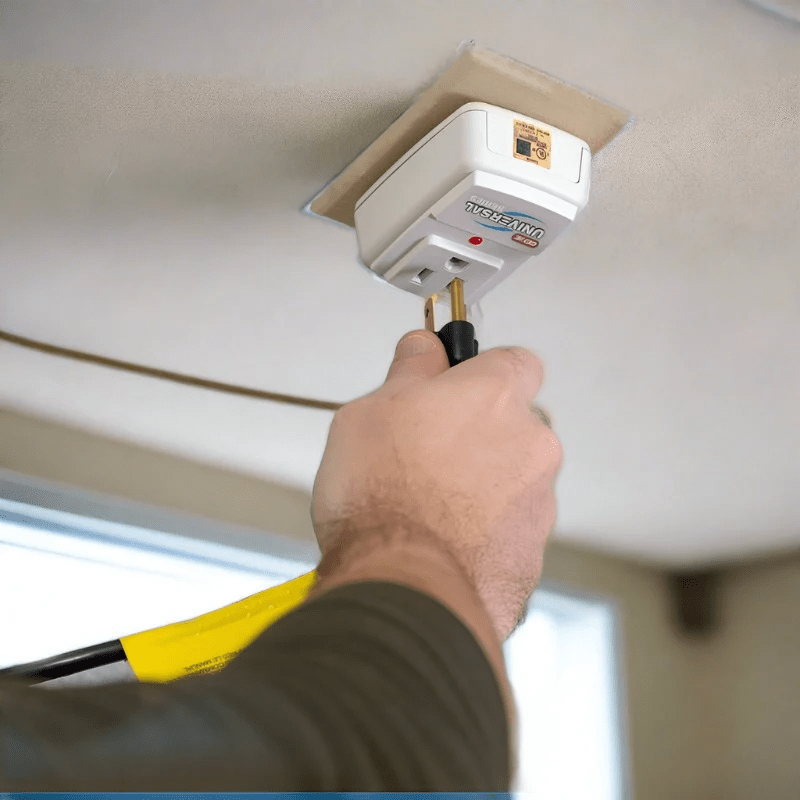
A dedicated surge protector for your garage door opener can absorb voltage spikes before they reach sensitive components. Choose a model rated for heavy-duty electronics.
2. Use a Battery Backup System
Many modern garage door openers offer battery backup. This allows the system to operate during outages or surges, minimizing the risk of electrical damage.
3. Unplug During Storms
During severe weather or thunderstorms, unplugging your garage door opener can prevent damage from lightning-induced surges.
4. Regular Maintenance
Routine maintenance reduces vulnerability. Inspect wiring, lubricate moving parts, and ensure sensors are clean and aligned. Proper upkeep helps detect potential electrical problems early.
5. Professional Inspection
Hiring a licensed electrician or garage door technician to inspect your system ensures your opener and home wiring are protected against surges. Professionals can recommend surge protection solutions and upgrade old components.
Repair and Recovery After a Power Surge
If a garage door opener sustains damage from a surge, prompt action can prevent further complications:
- Turn Off Power: Disconnect the opener from the electrical supply to prevent additional damage.
- Inspect for Visible Damage: Look for burnt wires, scorch marks, or damaged circuit boards.
- Consult the Manual: Your garage door opener manual may have troubleshooting steps specific to electrical issues.
- Contact a Professional: Attempting repairs without expertise can void warranties or pose safety risks. A certified technician can safely repair or replace damaged components.
- Consider Upgrading: If your opener is outdated, replacing it with a surge-protected model can prevent future issues.
Can A Power Surge Damage A Garage Door Opener? Final Thoughts
In conclusion, a power surge can indeed damage a garage door opener, especially if the system lacks surge protection or proper maintenance. The sensitive electronics and motor components are vulnerable to voltage spikes, lightning strikes, and faulty wiring.
However, homeowners can take effective steps to minimize risk:
- Install a dedicated surge protector
- Use battery backup systems
- Unplug during storms
- Conduct regular maintenance and inspections
- Consult professionals for repairs and upgrades
By understanding the risks and implementing these measures, you can protect your garage door opener from power surges, ensuring smooth, reliable operation and safeguarding your home. Protecting this essential system is not just about convenience—it’s about security, safety, and peace of mind.
Leave a Reply