When it comes to garage door systems, extension spring garage door are one of the most common types used in residential settings. These systems have gained popularity due to their reliability, ease of installation, and cost-effectiveness. If you’re considering installing a new garage door or are simply interested in how these systems work, this comprehensive guide will cover everything you need to know about extension spring garage doors.
What is an Extension Spring Garage Door?
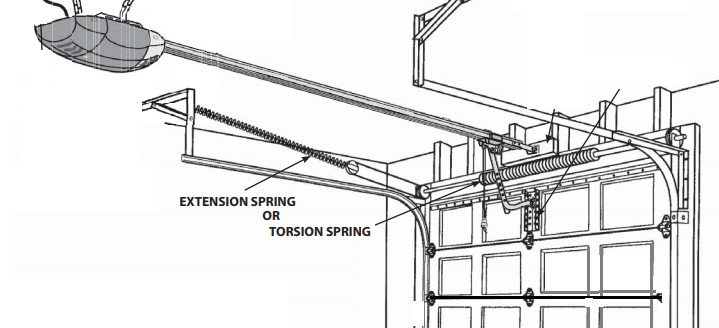
An extension spring garage door uses a system of springs to counterbalance the weight of the door as it opens and closes. This type of garage door operates by stretching or extending the springs during the opening process, making it easier to lift the heavy door. The springs are typically located above the horizontal tracks on either side of the garage door and are a crucial component in ensuring smooth and safe operation.
Key Components of Extension Spring Garage Doors
- Extension Springs: These are the primary springs responsible for lifting the door. They are usually installed in pairs and stretch when the door is lifted, providing the necessary counterbalance.
- Track System: The door moves along vertical and horizontal tracks that guide its movement as it opens and closes.
- Rollers: Attached to the sides of the garage door, these small wheels help the door glide smoothly along the tracks.
- Hinges: These connect the various sections of the garage door, allowing it to bend as it moves.
- Safety Cables: These are vital safety features that prevent the springs from causing injury or damage in the event they break. The cables are typically attached to the wall and run through the springs.
Read too: Mastering Quantum Garage Door Opener Programming: A Comprehensive Guide
How Does an Extension Spring Garage Door Work?
Understanding how an extension spring garage door functions can help homeowners appreciate the engineering behind this system. Here’s a breakdown of the operation:
1. Opening the Door
When you press the button on your remote or the wall switch, the garage door opener engages the door mechanism. As the door begins to lift, the extension springs stretch, storing energy in the process. This energy assists in lifting the door, making it easier to open.
2. Closing the Door
As the door descends, the extension springs contract. Gravity pulls the door down, and the stored energy in the springs helps control the speed and smoothness of the closure.
3. Safety Features
Extension spring systems come equipped with safety features to protect users and property. If a spring breaks, the safety cables catch the spring and prevent it from causing damage or injury.
Advantages of Extension Spring Garage Doors
There are several benefits to choosing an extension spring garage door system. Here are a few:
1. Cost-Effective
Extension spring systems are generally more affordable than their torsion spring counterparts. They require less specialized equipment for installation, making them a popular choice for budget-conscious homeowners.
2. Simple Installation
Due to their straightforward design, extension spring garage doors can be installed relatively easily, even by DIY enthusiasts. However, it’s always advisable to consult with a professional if you’re unsure about any aspect of the installation.
3. Ease of Maintenance
These systems require minimal maintenance. Routine checks on the springs, tracks, and safety cables are generally sufficient to keep the system functioning properly.
4. Reliability
Extension spring garage doors have been around for decades and are proven to be reliable. When properly maintained, they can last many years without significant issues.
Disadvantages of Extension Spring Garage Doors
While there are numerous benefits to extension spring garage doors, there are some drawbacks to consider:
1. Limited Lifespan
Extension springs have a limited lifespan, typically measured in cycles (one cycle being a complete open-and-close). Depending on the quality, they can last anywhere from 7,000 to 20,000 cycles.
2. Space Requirements
Extension spring systems require more vertical space than torsion springs. Homeowners with low ceilings may find that an extension spring door won’t work for their garage.
3. Safety Concerns
If not properly maintained, extension springs can break and cause injury or damage. This is why safety cables are essential in these systems.
Installation Process for Extension Spring Garage Doors
If you’re considering installing an extension spring garage door, it’s essential to understand the steps involved in the installation process. Below is a step-by-step guide to help you get started.
1: Gather Necessary Tools and Materials
Before beginning, make sure you have all the necessary tools, including:
- Ladder
- Drill and drill bits
- Wrenches
- Level
- Tape measure
- Safety goggles
- Gloves
2: Remove the Old Garage Door (if applicable)
If you’re replacing an existing garage door, carefully remove it, ensuring that you disconnect any electrical components and tracks.
3: Install the Track System
- Mount the Vertical Tracks: Attach the vertical tracks to the wall using the provided hardware. Make sure they are level and aligned with the opening.
- Attach the Horizontal Tracks: Secure the horizontal tracks to the vertical tracks, ensuring they are properly aligned. Use a level to ensure they are straight.
4: Install the Springs
- Install the Hangers: Attach the hangers to the ceiling, ensuring they are positioned correctly to hold the extension springs.
- Attach the Extension Springs: Secure the extension springs to the hangers and attach the safety cables to the wall. Ensure that the springs are evenly tensioned.
5: Hang the Garage Door
With assistance, lift the garage door into place. Align it with the tracks and secure it using hinges and rollers.
6: Test the Door
Once the installation is complete, test the garage door by opening and closing it several times. Make any necessary adjustments to the tension of the springs or the alignment of the tracks.
Maintenance Tips for Extension Spring Garage Doors
Regular maintenance is key to prolonging the life of your extension spring garage door. Here are some tips to keep it in optimal condition:
1. Inspect the Springs
Regularly check the extension springs for signs of wear or damage. Look for fraying or corrosion, and replace them as needed.
2. Lubricate Moving Parts
To ensure smooth operation, lubricate the rollers, hinges, and tracks with a silicone-based lubricant. Avoid using grease, as it can attract dirt and grime.
3. Check the Safety Cables
Inspect the safety cables to ensure they are securely attached and free of wear. Replace them if you notice any fraying or damage.
4. Clean the Tracks
Periodically clean the tracks to remove dirt, debris, and any obstacles that could hinder the door’s movement.
5. Test the Door’s Balance
Every few months, disconnect the garage door opener and manually lift the door. If it feels heavy or doesn’t stay open, the springs may need adjustment.
Troubleshooting Common Problems with Extension Spring Garage Doors
Even with proper maintenance, you may encounter issues with your extension spring garage door. Here are some common problems and their potential solutions:
1. Door Won’t Open or Close
Possible Causes: Power outage, dead remote batteries, or misaligned tracks.
Solution: Check the power supply, replace the batteries in the remote, and inspect the tracks for alignment issues.
2. Door Moves Unevenly
Possible Causes: Worn-out rollers or tracks filled with debris.
Solution: Clean the tracks and replace any worn rollers.
3. Loud Noises During Operation
Possible Causes: Lack of lubrication or worn parts.
Solution: Lubricate all moving parts and inspect for worn components that may need replacement.
4. Springs Keep Breaking
Possible Causes: Springs are worn out or improperly tensioned.
Solution: Check the condition of the springs and consult a professional if you’re unsure how to adjust the tension.
Conclusion
An extension spring garage door is an efficient and cost-effective choice for homeowners looking for a reliable garage door solution. Understanding how these systems work, their advantages and disadvantages, and how to maintain them is crucial for ensuring their longevity and functionality. With proper care, your extension spring garage door can serve you well for years, providing security and convenience for your home.
Leave a Reply