As winter sets in and temperatures plummet, many homeowners face a frustrating and often unexpected issue: the garage door doesn’t open all the way in cold weather. Whether it’s a minor delay or a door that only lifts halfway and then stops, the inconvenience can throw off your daily routine and even trap your vehicle.
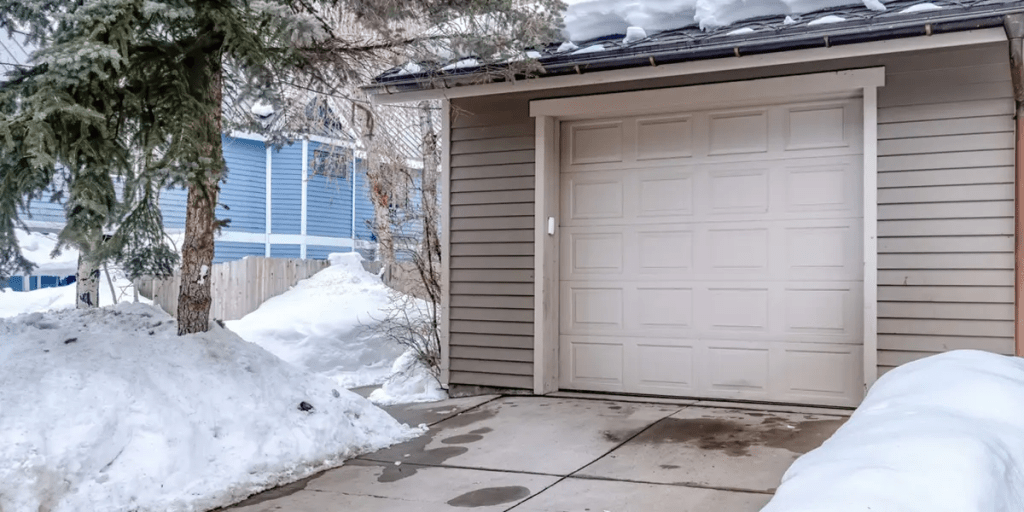
This problem isn’t just annoying—it can signal underlying mechanical or environmental issues that worsen over time. Understanding what causes this cold-weather malfunction and knowing how to fix it can save you money and stress.
In this article, we’ll explore why a garage door doesn’t open all the way in cold weather, how to troubleshoot the issue, and what preventive measures can ensure your door operates smoothly all year long.
Why Your Garage Door Doesn’t Open All The Way In Cold Weather
Cold weather can affect your garage door system in multiple ways. Here’s a breakdown of the most common reasons why your door struggles during winter:
1. Lubrication Issues
Garage door tracks, rollers, and hinges rely heavily on lubrication to function correctly. In cold temperatures, lubricants can thicken or harden, reducing their effectiveness. This can lead to added friction, making it difficult for the garage door opener to pull the door up fully.
Read too: How to Perform a Chamberlain Garage Door Opener Code Change? Mastering Security
2. Contracting Metal Components
Most garage door parts are made of metal—springs, cables, tracks, and rollers. When metal contracts due to cold weather, components may become tighter, misaligned, or harder to move. This can restrict the garage door’s ability to open or close smoothly.
3. Stiff Weather Seals
The rubber seal at the bottom of your garage door is designed to keep out cold drafts, water, and debris. However, in freezing temperatures, this seal can become rigid or even stick to the floor. If the door is stuck due to a frozen seal, the opener may stop before completing its cycle.
4. Opener Sensitivity Settings
Modern garage door openers have sensitivity settings that control how much force the motor uses. In winter, increased resistance from cold or stiff components can cause the opener to interpret the added tension as an obstruction—causing it to stop early for safety.
5. Broken or Weak Springs
Garage doors rely on torsion or extension springs to counterbalance the door’s weight. Springs that are worn out or lose tension due to cold weather may fail to lift the door properly. A partially lifting door is often a symptom of spring issues.
Signs That Cold Weather Is Impacting Your Garage Door
If you’re unsure whether cold temperatures are the root cause, look out for these specific symptoms:
- Garage door opens a few inches and stops
- Opener motor sounds strained or louder than usual
- Door opens slowly or unevenly
- Door refuses to open in early morning but works later in the day
- Loud creaking or popping sounds from springs or rollers
Each of these signs points to a winter-related mechanical issue that may need immediate attention.
Garage Door Doesn’t Open All The Way In Cold Weather: Step-by-Step Troubleshooting
Before calling a professional, there are several things you can try to get your garage door working again:
1. Check and Reapply Lubrication
Use a silicone-based garage door lubricant—not WD-40—on all moving metal parts such as:
- Rollers
- Hinges
- Tracks
- Springs
Do this while the door is in the closed position and after brushing off any visible debris or ice.
2. Inspect and Warm the Weather Seal
Carefully check if the bottom rubber seal is frozen to the ground. Do not attempt to force the door open. Instead, use:
- A hair dryer or heat gun to warm the seal
- Rock salt or de-icer (sparingly) around the base
- Avoid pouring hot water, which may refreeze
3. Adjust Opener Sensitivity
Refer to your garage door opener’s manual. Most openers have:
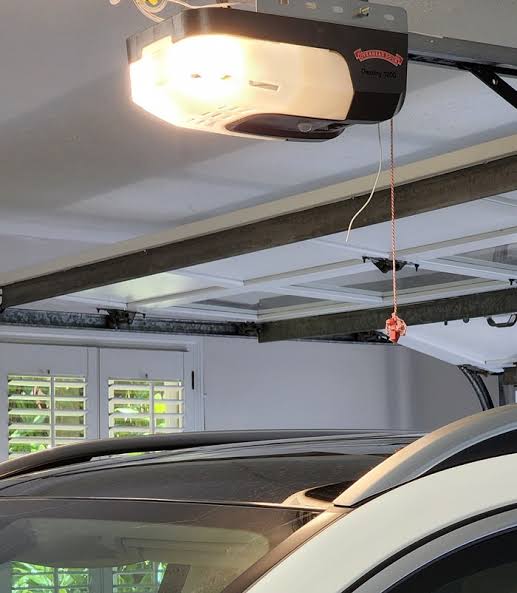
- A force adjustment dial or screw on the motor unit
- Separate settings for upward and downward force
Slightly increase the upward force setting to compensate for winter resistance. Avoid excessive adjustments to prevent injury or damage.
4. Check the Springs and Cables
Look for signs of wear, rust, or gaps in the torsion spring. If you suspect a broken or weak spring, do not attempt a DIY fix—garage door springs are under extreme tension and require professional repair.
5. Test the Door Manually
Disconnect the opener by pulling the emergency release cord. Try lifting the door by hand:
- If it’s very difficult, the springs may be the issue.
- If it lifts easily, the opener or settings might be at fault.
Manual testing helps narrow down the exact cause of the problem.
Preventive Maintenance Tips for Cold Weather
Avoid garage door issues before they start with these proactive strategies:
1. Schedule Seasonal Tune-Ups
A professional inspection before winter can identify worn-out parts and ensure your door is ready for freezing temperatures.
2. Use the Right Lubricants
Always use cold-weather rated lubricants and apply them every few months, especially before winter hits.
3. Replace Worn Seals
A cracked or old rubber seal is more likely to freeze. Replacing it with a flexible, high-quality alternative can prevent sticking.
4. Insulate Your Garage
A warmer garage environment can reduce stress on metal components. Use insulated garage doors, add weather stripping, and insulate walls.
5. Upgrade Your Opener
If your opener is over 10–15 years old, consider upgrading. Newer models are better equipped with sensors and settings for cold weather conditions.
When to Call a Professional
While many fixes can be handled with basic tools and a little know-how, there are cases where you should definitely seek professional help:
- Broken or loose torsion springs
- Severely misaligned or bent tracks
- Opener makes noise but doesn’t move the door
- Repeated fuse or motor failures
Hiring a licensed technician ensures that safety protocols are followed and repairs are done to code.
Common Myths About Cold Weather Garage Door Problems
Myth 1: Cold weather always causes garage doors to fail.
Truth: While it’s a contributing factor, doors that are well-maintained often perform just fine in winter.
Myth 2: You should use WD-40 for everything.
Truth: WD-40 is a cleaner and water displacer, not a lubricant. Use a proper garage door lubricant.
Myth 3: Manually forcing a frozen door is safe.
Truth: Forcing the door can damage tracks, rollers, and openers—or even cause injury.
Final Thoughts
So, what’s the answer to the question: Why your garage door doesn’t open all the way in cold weather? In most cases, it’s due to the impact of cold temperatures on the door’s mechanical parts—whether it’s thickened grease, contracting metals, stiff seals, or old springs. Thankfully, many of these issues are easily diagnosed and resolved with routine care or minor adjustments.
However, ignoring early symptoms can lead to more expensive repairs or system failures later on. With the right preventive steps and an understanding of how cold weather affects your garage door, you can ensure a smooth start to every winter morning—no matter how low the temperature drops.
Leave a Reply