Choosing a garage door opener might seem straightforward, but with so many options available, asking “What kind of garage door opener do I need?” is a smart place to start. The right garage door opener ensures smooth, reliable operation, enhances security, and fits your lifestyle and garage setup.
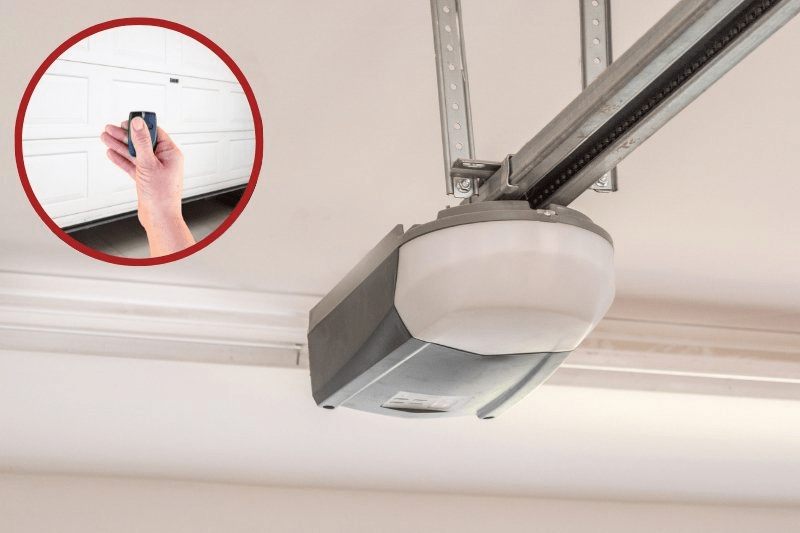
In this comprehensive guide, we’ll explore the different types of garage door openers, key features to consider, and how to decide on the best option for your home. Whether you’re upgrading an old system or installing one for the first time, understanding your needs is essential.
Understanding the Question: What Kind Of Garage Door Opener Do I Need?
When asking “What kind of garage door opener do I need?”, it’s important to consider multiple factors such as the type of garage door, noise levels, budget, power, and additional features. Not every opener fits all doors or homeowner preferences.
Types of Garage Door Openers
Garage door openers mainly come in three types:
- Chain Drive Openers
- These use a metal chain to lift and lower the garage door.
- They are usually the most affordable option.
- Chain drives are known for their durability and strength, making them ideal for heavier doors.
- However, they tend to be the noisiest type.
- Belt Drive Openers
- Instead of a chain, these use a rubber belt.
- Belt drives are quieter than chain drives, making them perfect for garages attached to living spaces.
- They require less maintenance and provide smooth operation but are typically more expensive.
- Screw Drive Openers
- Use a threaded steel rod to move the trolley and door.
- Screw drives are generally faster than chain or belt drives.
- They have fewer moving parts but can be sensitive to temperature changes and may require more maintenance.
Read too: Why Are My Garage Doors Opening By Themselves? Troubleshooting Guide
What Kind Of Garage Door Opener Do I Need? Key Factors to Consider
Garage Door Weight and Size
One of the first things to evaluate when asking “What kind of garage door opener do I need?” is your door’s weight and size. Heavy wooden doors require a powerful opener like a chain or heavy-duty belt drive. For lighter aluminum or fiberglass doors, a standard belt drive or screw drive can suffice.
Noise Level Preferences
If your garage is next to or under a living area, noise can be a major concern. Belt drive openers are the quietest, while chain drives are the loudest. Think about your tolerance for sound when selecting the type.
Security Features
Modern garage door openers often come with advanced security features like rolling code technology, which changes the access code every time the remote is used to prevent hacking. Some models also integrate smart technology for remote control via smartphones.
Budget Considerations
Your budget will influence what kind of garage door opener you can buy. Chain drive models tend to be most affordable, while belt drives and smart-enabled openers cost more. However, investing in a quiet, durable opener may pay off in the long run.
Power and Motor Type
Garage door openers come with different horsepower ratings, usually ranging from ½ HP to 1¼ HP. The heavier and larger your garage door, the more horsepower you’ll need. For standard residential doors, ¾ HP is typically sufficient.
Smart Features and Connectivity
If you want to control your garage door remotely or get alerts when it’s opened or closed, consider openers with Wi-Fi connectivity. Many models support integration with smart home systems like Alexa or Google Assistant.
What Kind Of Garage Door Opener Do I Need? Step-by-Step Decision Guide
- Assess Your Door Type and Weight
Heavy doors: Choose chain or heavy-duty belt drive.
Light to medium doors: Belt drive or screw drive options work well. - Consider Noise Sensitivity
High sensitivity: Belt drive is best.
Low sensitivity or detached garage: Chain drive is acceptable. - Set Your Budget
Basic models start around $150–$200.
Mid-range with quiet operation and some smart features: $250–$400.
High-end models with full smart integration: $400+. - Decide on Features
Do you need smartphone control?
Is battery backup necessary for power outages?
What level of security features do you want? - Check Compatibility
Verify that the opener you choose supports your door’s height and operation type (e.g., sectional, tilt-up).
Additional Considerations When Choosing Your Garage Door Opener
Installation Complexity
Some garage door openers are DIY-friendly, especially chain and screw drive models. Belt drives and smart-enabled openers may require professional installation for proper setup and to ensure warranty validity.
Maintenance Requirements
Chain drives may need periodic lubrication. Screw drives require cleaning and lubrication of the threaded rod. Belt drives are relatively low maintenance.
Warranty and Support
Look for a product with a solid warranty—many offer 5 to 10 years on the motor and 1 to 3 years on parts. Good manufacturer support can save time and money if problems arise.
Summary: Finding the Answer to “What Kind Of Garage Door Opener Do I Need?”
The perfect garage door opener depends on your garage door’s size, your noise tolerance, desired features, and budget. Asking “What kind of garage door opener do I need?” means considering your priorities:
- For a noisy, budget-friendly option, go with a chain drive.
- For quiet, smooth operation near living spaces, choose a belt drive.
- For faster operation with moderate noise, a screw drive is a solid compromise.
- If you want smart home features, look for Wi-Fi enabled models with smartphone apps.
- Ensure your opener has enough horsepower to safely handle your door.
By weighing these factors, you can confidently select a garage door opener that fits your needs and enhances the convenience, safety, and comfort of your home.
Leave a Reply