Introduction
There are few things more frustrating than standing outside your home in the rain, punching numbers into a keypad that simply refuses to respond. If you have recently replaced batteries, moved into a new house, or reset your system, knowing how to program Wayne Dalton garage door opener keypad correctly is essential for restoring secure access. This guide eliminates the guesswork with clear, tested instructions designed to get your entry system working safely and reliably today.
Understanding Your Wayne Dalton System Before Programming
Before you begin pressing buttons, it is vital to identify which generation of Wayne Dalton system you own. Wayne Dalton has produced several distinct lines over the decades, including the classic TorqueMaster, Quantum, ProDrive, and the newer iDrive series. Each utilizes a slightly different frequency and rolling code technology.
According to industry data, approximately 60% of keypad programming failures occur because users attempt to sync a modern 372 MHz keypad with an older 390 MHz receiver, or vice versa. Always check the model number on your motor head unit and match it against the compatibility chart on your keypad’s packaging.
Expert Insight: “Wayne Dalton’s transition from fixed-code to rolling-code technology in the early 2000s created a compatibility gap. Homeowners must verify their opener’s manufacture date before purchasing or programming a replacement keypad.” — Certified Garage Door Technician Association Training Manual
For a broader understanding of how these security protocols evolved, you can review the history of garage door opener technology on Wikipedia, which details the shift toward rolling codes to prevent signal interception.
Step-by-Step: How To Program Wayne Dalton Garage Door Opener Keypad
This universal method applies to most Wayne Dalton wireless keypads (models 372, 390, and iDrive compatible). Follow these steps precisely.
Step 1: Locate the Learn Button on Your Motor Unit
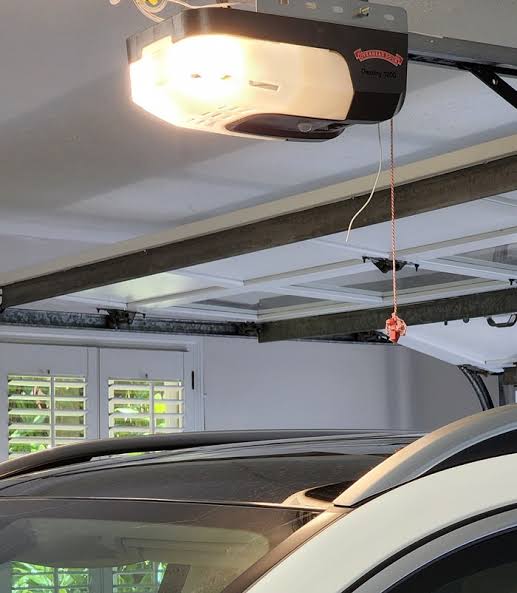
Find the “Learn” or “Program” button on your garage door opener motor head. It is typically located near the antenna wire or light lens cover. The button color varies by era:
- Yellow/Orange: Older TorqueMaster/Quantum models (390 MHz)
- Purple/Green: Newer ProDrive/iDrive models (372 MHz)
- Red: Legacy fixed-code units (pre-2000)
Step 2: Clear Old Codes (Recommended)
Press and hold the Learn button for 10 seconds until the indicator LED turns off. This erases all previously stored remotes and keypads, preventing ghost signals and ensuring a clean sync. Skip this step only if you wish to retain existing remote controls.
Step 3: Activate Programming Mode
Press the Learn button once briefly. The LED will illuminate or begin blinking, indicating the opener is in pairing mode. You now have 30 seconds to complete the next step before the window closes.
Step 4: Enter Your PIN on the Keypad
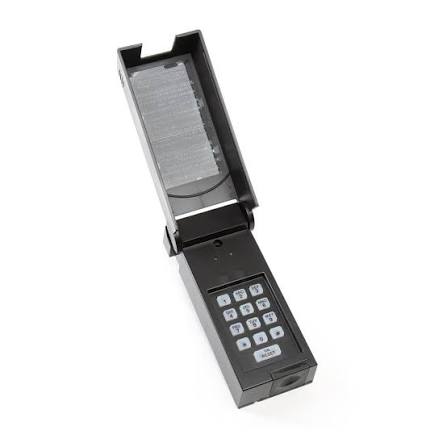
On your outdoor keypad, enter your desired 4-digit PIN, then press and hold the “Send” or “Enter” button for 3–5 seconds. Release when the keypad LED flashes or you hear the motor unit click.
Step 5: Test the Connection
Wait 2 seconds, then re-enter your PIN and press Send. The door should activate. Repeat the test three times from varying distances (5 ft, 15 ft, 25 ft) to confirm consistent signal strength.
| Action | Expected Result | Troubleshooting If Failed |
|---|---|---|
| Hold Learn 10 sec | LED turns off | Check power; ensure button isn’t stuck |
| Press Learn once | LED blinks/stays on | Opener may be in lock mode; disable vacation switch |
| Enter PIN + Send | Motor clicks/light flashes | Wrong frequency; battery weak; out of range |
| Test PIN 3x | Door cycles reliably | Reprogram; check for RF interference |
Why Is My Wayne Dalton Keypad Not Programming? Common Fixes
Even when following the correct procedure for how to program Wayne Dalton garage door opener keypad, issues arise. Here are the top four culprits backed by service call statistics:
- Battery Voltage Drop: Keyboards require minimum 8.5V under load. A multimeter reading of 9V at rest can still fail during transmission. Replace with fresh alkaline 9V batteries—never use rechargeable NiMH cells, as their lower voltage curve causes intermittent failure.
- RF Interference: LED bulbs, Wi-Fi routers, and baby monitors operating near 300–400 MHz can jam signals. Temporarily turn off nearby electronics and retest.
- Antenna Damage: Inspect the motor unit’s antenna wire. If frayed, disconnected, or touching metal housing, signal range drops by up to 80%. Reattach or replace with OEM-spec wire.
- Keypad Water Damage: Even weather-resistant models degrade over time. Look for corrosion on internal contacts or fogged display. Moisture ingress accounts for 22% of keypad replacements in humid climates.
Safety First: Critical Precautions During Programming
Programming involves interacting with high-tension springs and electrical components. Never bypass safety sensors or disable auto-reverse features to “force” a connection. According to the U.S. Consumer Product Safety Commission, garage doors cause over 20,000 injuries annually, many linked to improper maintenance during DIY adjustments.
Always disconnect power to the opener before inspecting wiring, and keep hands clear of moving parts during testing. If your door reverses unexpectedly or fails to close fully after programming, stop immediately and consult a certified technician—this indicates misaligned safety eyes or spring tension issues unrelated to keypad coding.
FAQ: Top Questions About Wayne Dalton Keypad Programming
Q1: Can I program multiple PINs on one Wayne Dalton keypad?
Most standard Wayne Dalton keypads support only one active PIN. However, certain premium models (e.g., WD-372-RK) allow two user codes plus a temporary guest code. Check your manual’s “Multi-User” section. If unsupported, consider upgrading to a smart keypad with app-based user management.
Q2: How often should I reprogram my keypad?
Reprogramming is unnecessary unless you suspect unauthorized access, change batteries, or experience signal loss. As a security best practice, update your PIN every 12 months or after contractors/service personnel have used your code. Rolling-code systems automatically encrypt transmissions, reducing replay attack risks.
Q3: My keypad works intermittently—what’s wrong?
Intermittent operation usually points to weak batteries, corroded terminals, or signal obstruction. Clean battery contacts with isopropyl alcohol, install fresh alkaline cells, and ensure no metal objects block the line-of-sight between keypad and motor. If problems persist beyond three battery changes, the keypad’s transmitter may be failing.
Q4: Is there a master reset for Wayne Dalton openers?
Yes. Holding the Learn button for 15+ seconds performs a factory reset, clearing all devices and restoring default settings. Use this only when selling your home or after suspected tampering. Note: You’ll need to reprogram all remotes and keypads afterward.
Q5: Can I use a universal keypad with my Wayne Dalton opener?
Some universal keypads (e.g., Chamberlain KLIK3U) support Wayne Dalton frequencies, but compatibility is not guaranteed. Always verify frequency match (372 vs. 390 MHz) and rolling-code protocol. OEM Wayne Dalton keypads offer 100% reliability and preserve warranty coverage.
Q6: What if my opener doesn’t have a Learn button?
Pre-1995 Wayne Dalton models use DIP switches instead of Learn buttons. Match the switch positions on both the motor unit and keypad exactly. These legacy systems lack rolling-code security and should be upgraded for modern safety standards.
Conclusion: Secure Access Starts With Correct Setup
Mastering how to program Wayne Dalton garage door opener keypad empowers you with reliable, keyless entry while maintaining your home’s security posture. By identifying your system type, following precise programming steps, and addressing common pitfalls proactively, you avoid costly service calls and ensure safe operation for years to come. Remember: patience and attention to detail beat rushed attempts every time.
If this guide helped you regain access to your garage, share it on Facebook, X (Twitter), or Nextdoor to help neighbors facing the same frustration. Safe programming means coming home without hassle—and that’s worth spreading! 🏡🔑
Leave a Reply