Introduction
There is nothing quite as jarring as the mechanical grind of a chain drive garage door opener shattering the peace of your home, especially if you have a bedroom directly above the garage. If you are searching for how to quiet a chain drive garage door opener, you are likely dealing with excessive vibration, metal-on-metal friction, or worn components that need immediate attention. The good news is that most noise issues can be resolved with basic maintenance and a few affordable upgrades, without requiring a full system replacement.
In this comprehensive guide, we will walk you through proven, step-by-step solutions to drastically reduce operational noise. Whether you are a DIY beginner or a seasoned homeowner, these strategies adhere to industry best practices and prioritize safety while restoring tranquility to your living space.
Why Is My Chain Drive Garage Door Opener So Loud?
Before applying fixes, it is crucial to understand the root cause. Chain drive openers are inherently louder than belt drives because they use a metal chain moving along a metal rail. However, excessive noise usually indicates a problem beyond normal operation.
According to garage door technicians, the three primary culprits for abnormal noise are:
- Lack of Lubrication: Metal friction creates grinding and squeaking.
- Loose Hardware: Vibration causes nuts, bolts, and brackets to rattle.
- Worn Components: Damaged rollers, hinges, or sprockets create clanking sounds.
Understanding the specific type of noise helps diagnose the issue faster. For example, a high-pitched squeal usually points to dry rollers, while a rhythmic grinding often suggests a loose chain or worn sprocket.
Step-by-Step: How to Quiet a Chain Drive Garage Door Opener
Follow this systematic approach to identify and eliminate noise sources safely. Always disconnect the opener from power before performing mechanical adjustments.
1. Inspect and Tighten All Hardware
Vibration from daily operation loosens hardware over time. This is the most common and easiest fix.
- Check Roller Brackets: Use a socket wrench to tighten all bolts securing the roller brackets to the door sections.
- Secure Track Bolts: Ensure the vertical and horizontal tracks are firmly anchored to the wall and ceiling framing.
- Tighten Opener Mounts: Verify that the motor unit mounting brackets and angle iron supports are secure. Loose mounts amplify vibration throughout the ceiling structure.
- Inspect Hinges: Replace any cracked or damaged hinges immediately, as they cause binding and noise.
Safety Note: Never attempt to adjust torsion spring cables or drums yourself. These components store lethal energy and require professional service. Refer to Garage Door Safety Guidelines on Wikipedia for essential safety protocols regarding automatic door systems.
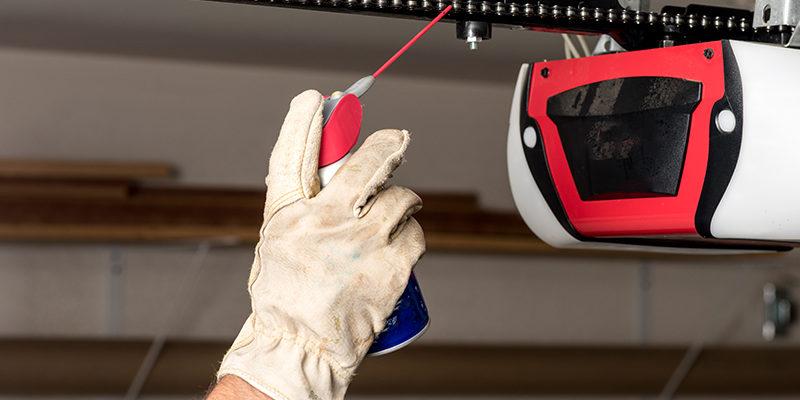
2. Apply the Correct Lubricant (Crucial Step)
Using the wrong lubricant attracts dust and worsens noise. Never use WD-40 or grease on garage door components.
- Recommended Product: White lithium grease or silicone-based garage door lubricant.
- Where to Apply: Spray generously on roller stems, hinges, bearings, and the lock assembly.
- Chain Lubrication: Apply a dedicated chain lube or white lithium grease to the chain itself. Wipe off excess to prevent dripping.
- Frequency: Lubricate every 6 months or whenever noise returns.
3. Adjust Chain Tension Properly
A chain that is too tight strains the motor and creates grinding; a chain that is too loose slaps against the rail.
- Ideal Tension: The chain should hang approximately ¼ to ½ inch below the base of the rail at its midpoint when the door is closed.
- Adjustment Method: Locate the tension adjustment nut on the trolley assembly. Turn clockwise to tighten, counter-clockwise to loosen. Make small adjustments (¼ turn at a time) and test operation after each change.
4. Upgrade to Nylon Rollers
Steel rollers are durable but loud. Replacing them with nylon-coated steel rollers is one of the most effective upgrades for noise reduction.
| Feature | Steel Rollers | Nylon-Coated Rollers |
|---|---|---|
| Noise Level | High (metal-on-metal) | Low (quiet glide) |
| Durability | Excellent | Very Good |
| Maintenance | Requires frequent lube | Minimal lube needed |
| Cost | $ | $$ |
| Best For | Heavy commercial doors | Residential quiet operation |
Note: Ensure new rollers match your existing stem size (typically 7″ or 10″ stem length).
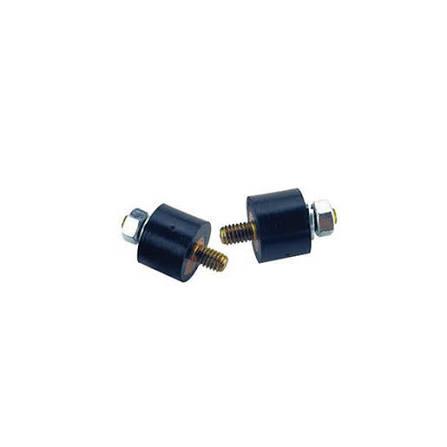
5. Install Anti-Vibration Pads
Motor vibration transfers through the mounting bracket into your home’s framing. Installing rubber anti-vibration pads between the opener mount and ceiling joists can reduce transmitted noise by up to 50%.
- Use heavy-duty rubber isolation pads rated for garage door openers.
- Install between the angle iron support and ceiling joist.
- Consider upgrading to a flexible coupling between the motor shaft and trolley if your model allows.
6. Check Rail Alignment and Cleanliness
A misaligned or dirty rail causes binding and excess friction.
- Clean the Rail: Wipe the interior rail surface with a clean cloth to remove built-up grime and old lubricant residue.
- Verify Alignment: Use a level to ensure horizontal tracks are perfectly level and vertical tracks are plumb. Even slight misalignment causes roller drag.
- Clear Obstructions: Remove any debris, cobwebs, or foreign objects from the track channel.
7. Evaluate Motor and Sprocket Wear
If noise persists after all above steps, internal components may be failing.
- Listen to the Motor: A humming or buzzing without movement suggests capacitor or gear issues.
- Inspect Drive Sprocket: Remove the cover and check the plastic drive sprocket for worn or missing teeth. Replacement sprockets are inexpensive and restore smooth operation.
- Consider Age: Openers older than 15 years may benefit from replacement with modern DC-motor models, which are significantly quieter than legacy AC motors.
When to Call a Professional vs. DIY
Not every issue is suitable for DIY repair. Use this decision framework:
- DIY Safe: Lubrication, hardware tightening, roller replacement, chain adjustment, cleaning.
- Call a Pro: Spring repairs, cable replacement, motor/gearbox rebuild, track realignment requiring specialized tools, electrical troubleshooting.
Attempting complex repairs without proper training risks injury and voids warranties. Professional tune-ups typically cost $100–$200 and include comprehensive safety inspections.
FAQ: Common Questions About Quieting Chain Drive Openers
Q1: Can I convert my chain drive opener to a belt drive?
No, chain and belt drive systems use incompatible rails and trolleys. Conversion requires replacing the entire opener unit. However, newer chain drives with DC motors and improved engineering are far quieter than older models, making upgrade worthwhile if noise remains problematic.
Q2: How often should I lubricate my chain drive garage door opener?
Most manufacturers recommend lubrication every 6 months. In dusty or humid environments, quarterly maintenance may be necessary. Always wipe away excess lubricant to prevent accumulation of dirt and debris.
Q3: Will insulating my garage ceiling help reduce noise?
Yes, adding acoustic insulation or mass-loaded vinyl to the garage ceiling can reduce airborne noise transmission to rooms above. However, this addresses sound transfer, not the source noise. Combine insulation with mechanical fixes for best results.
Q4: Is it normal for a chain drive opener to make some noise?
Yes, chain drives produce inherent mechanical sound. However, new grinding, squealing, banging, or rattling noises indicate problems needing attention. A well-maintained chain drive should operate with a consistent, moderate hum—not erratic or harsh sounds.
Q5: Can smart garage door openers be quieter?
Smart features don’t directly affect noise, but many modern smart openers use DC motors and soft-start/stop technology that reduces operational noise compared to traditional AC motors. The intelligence adds convenience; the motor design delivers quietness.
Q6: What’s the single most effective upgrade for reducing chain drive noise?
Replacing steel rollers with nylon-coated rollers consistently delivers the greatest noise reduction per dollar spent. Combined with proper lubrication and chain tension adjustment, this upgrade can reduce perceived noise by 40–60%.
Conclusion: Restore Peace to Your Home Today
Learning how to quiet a chain drive garage door opener doesn’t require advanced technical skills—just methodical troubleshooting and consistent maintenance. By tightening hardware, applying correct lubricants, adjusting chain tension, and considering strategic upgrades like nylon rollers, you can transform a disruptive machine into a smoothly operating system.
Remember: regular maintenance prevents minor issues from becoming costly repairs. Set a calendar reminder for biannual lubrication and annual hardware inspections to maintain optimal performance year-round.
Found this guide helpful? Share it with neighbors, friends, or family members who struggle with noisy garage doors! Tag us on social media with your before-and-after results—we’d love to celebrate your success. Together, we can help more homeowners enjoy the quiet comfort they deserve. 🏡🔇
Leave a Reply