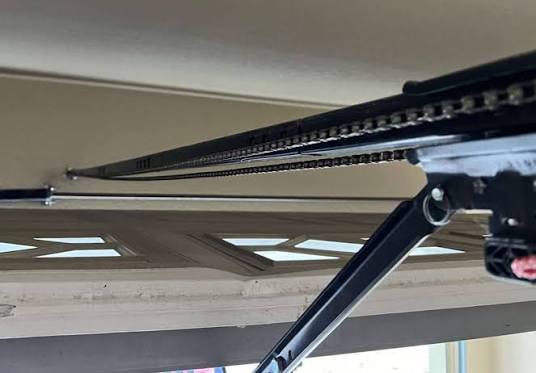
Is your Genie garage door opener making unusual noises or struggling to open and close smoothly? A loose drive belt is often the culprit behind these frustrating issues, but the good news is that learning how to tighten belt on Genie garage door opener is a straightforward DIY task that can save you hundreds of dollars in professional repair costs. In this comprehensive guide, we’ll walk you through everything you need to know to properly adjust your garage door opener’s belt tension and restore quiet, efficient operation.
Why Does Your Genie Garage Door Belt Become Loose?
Before diving into the tightening process, it’s essential to understand why belt loosening occurs in the first place. Genie garage door openers use a belt-drive system that relies on proper tension to transfer power from the motor to the trolley that moves your garage door. Over time, several factors can cause this belt to lose tension:
- Normal wear and tear: Like any mechanical component, belts naturally stretch with regular use
- Temperature fluctuations: Extreme heat or cold can affect belt material elasticity
- Improper initial installation: If the belt wasn’t tensioned correctly during setup
- Age of the unit: Most garage door opener belts last 7-10 years before requiring replacement
According to the International Door Association, approximately 60% of garage door service calls involve drive system issues, with belt tension problems being among the most common yet easily fixable concerns.
Tools You’ll Need for Belt Adjustment
Gathering the right tools before starting ensures a smooth and safe adjustment process:
- Adjustable wrench or socket set (typically 7/16″ or 1/2″)
- Screwdriver (Phillips and flathead)
- Ladder (stable and appropriate height for your opener)
- Work gloves for hand protection
- Flashlight for better visibility
- Measuring tape to check belt deflection
Having these tools ready will help you complete the job efficiently without unnecessary interruptions.
Step-by-Step Guide: How to Tighten Belt on Genie Garage Door Opener
Step 1: Ensure Safety First
Safety should always be your top priority when working with garage door openers. Before beginning any adjustments:
- Disconnect the power by unplugging the opener or turning off the circuit breaker
- Engage the manual release to disconnect the trolley from the door
- Close the garage door completely to relieve tension on the system
- Place a ladder securely under the opener unit
Never attempt to adjust the belt while the opener is powered on or while the door is in motion.
Step 2: Locate the Belt Tensioning Mechanism
Genie garage door openers typically feature one of two tensioning systems:
Type A: Bolt Adjustment System
- Look for adjustment bolts on either side of the motor unit
- These bolts control the position of the idler pulley
- Common on Genie Model 3053, 3062, and similar models
Type B: Spring-Loaded Tensioner
- Features a spring mechanism that maintains automatic tension
- May require spring adjustment rather than bolt tightening
- Found on newer Genie models like the SilentMax series
Consult your owner’s manual to identify which system your specific model uses. If you don’t have the manual, you can find model-specific information on Genie’s official support page.
Step 3: Check Current Belt Tension
Before making adjustments, assess the current belt condition:
- Press down on the belt midway between the motor and the trolley
- Measure the deflection – proper tension allows about 1/4 to 1/2 inch of movement
- Inspect for wear – look for cracks, fraying, or glazing on the belt surface
- Check alignment – ensure the belt runs straight without rubbing against covers
If the belt deflects more than 1/2 inch, it needs tightening. If you notice significant wear or damage, consider replacement instead of adjustment.
Step 4: Adjust the Belt Tension
For bolt-adjustment systems:
- Loosen the mounting bolts slightly using your wrench
- Turn the adjustment bolts clockwise to increase tension
- Make small adjustments – quarter turns at a time
- Check tension frequently to avoid over-tightening
- Tighten mounting bolts once proper tension is achieved
For spring-loaded systems:
- Locate the tension adjustment screw on the spring mechanism
- Turn clockwise to increase spring tension
- Test the belt after each adjustment
- Ensure even tension across the entire belt length
Pro Tip: Over-tightening can damage the motor bearings and reduce belt lifespan. Always err on the side of slightly loose rather than too tight.
Step 5: Test the System
After making adjustments:
- Reconnect the power to the opener
- Re-engage the trolley with the door
- Operate the door through several complete cycles
- Listen for unusual noises – squeaking or grinding indicates problems
- Observe smooth operation – the door should move evenly without hesitation
If the door operates smoothly and quietly, your adjustment was successful. If problems persist, you may need further adjustment or professional assistance.
Common Mistakes to Avoid
When learning how to tighten belt on Genie garage door opener, avoid these common errors:
| Mistake | Consequence | Solution |
|---|---|---|
| Over-tightening | Motor strain, premature wear | Adjust gradually, test frequently |
| Ignoring belt wear | Sudden failure, safety risk | Replace worn belts immediately |
| Working without power disconnect | Electrical hazard | Always disconnect power first |
| Uneven tension adjustment | Belt tracking issues | Adjust both sides equally |
| Skipping alignment check | Excessive noise, reduced efficiency | Verify proper belt alignment |
When to Call a Professional
While belt tightening is generally a DIY-friendly task, certain situations warrant professional assistance:
- Persistent noise after proper adjustment
- Visible belt damage such as cracks or missing teeth
- Motor struggling despite correct belt tension
- Complex mechanical issues beyond simple belt adjustment
- Warranty concerns – some adjustments may void warranty coverage
According to HomeAdvisor, professional garage door service typically costs between $150-$300, but attempting complex repairs without proper knowledge can lead to more expensive problems.
Maintenance Tips to Prevent Future Belt Issues
Regular maintenance can significantly extend your belt’s lifespan and prevent tension problems:
- Monthly visual inspections – check for wear, proper alignment, and tension
- Annual lubrication – apply garage door lubricant to moving parts (avoid the belt itself)
- Keep tracks clean – debris can cause uneven operation and belt stress
- Monitor performance – address unusual sounds or movements immediately
- Professional inspection – schedule annual maintenance with a qualified technician
FAQ Section
How often should I check my Genie garage door belt tension?
Check your belt tension every 3-6 months as part of regular maintenance. However, if you notice unusual noises, slower operation, or visible slack, inspect it immediately. Regular monitoring helps prevent sudden failures and extends the life of your garage door opener.
Can I use any belt to replace my Genie opener belt?
No, you must use a belt specifically designed for your Genie model. Using incompatible belts can cause improper tracking, excessive wear, and potential safety hazards. Always refer to your owner’s manual or contact Genie customer service for the correct replacement part number.
What causes a Genie garage door belt to slip?
Belt slipping typically results from insufficient tension, worn belt surfaces, contaminated pulleys, or misaligned components. Oil, grease, or debris on the belt or pulleys can also cause slipping. Address the underlying cause rather than just tightening the belt to prevent recurring issues.
How long does a Genie garage door belt typically last?
Most Genie garage door belts last between 7-10 years with normal use and proper maintenance. Factors affecting lifespan include usage frequency, environmental conditions, maintenance quality, and initial installation accuracy. Regular inspection and timely adjustment can maximize belt longevity.
Is it dangerous to operate a garage door with a loose belt?
Yes, operating with a loose belt can be dangerous. It may cause unpredictable door movement, incomplete opening or closing, and potential safety sensor malfunctions. Additionally, excessive belt slippage can damage the motor and other components. Address belt tension issues promptly to maintain safe operation.
Can weather affect my garage door belt tension?
Yes, temperature and humidity changes can affect belt tension. Cold weather may cause belts to contract and become tighter, while hot weather can cause expansion and loosening. Extreme temperature fluctuations accelerate belt aging. Consider seasonal adjustments if you live in areas with significant temperature variations.
Conclusion
Learning how to tighten belt on Genie garage door opener is an valuable skill that can save you time, money, and frustration. By following the steps outlined in this guide, you can effectively address loose belt issues and restore smooth, quiet operation to your garage door system. Remember to prioritize safety, make gradual adjustments, and perform regular maintenance to prevent future problems.
If you found this guide helpful, please share it with friends and family who might benefit from learning proper garage door maintenance. Regular upkeep not only extends equipment life but also ensures safe, reliable operation for years to come. Don’t hesitate to consult professional technicians for complex issues or if you’re unsure about any aspect of the adjustment process.
Have you successfully tightened your Genie garage door belt using this guide? Share your experience in the comments below or on social media to help others learn from your success!
Leave a Reply