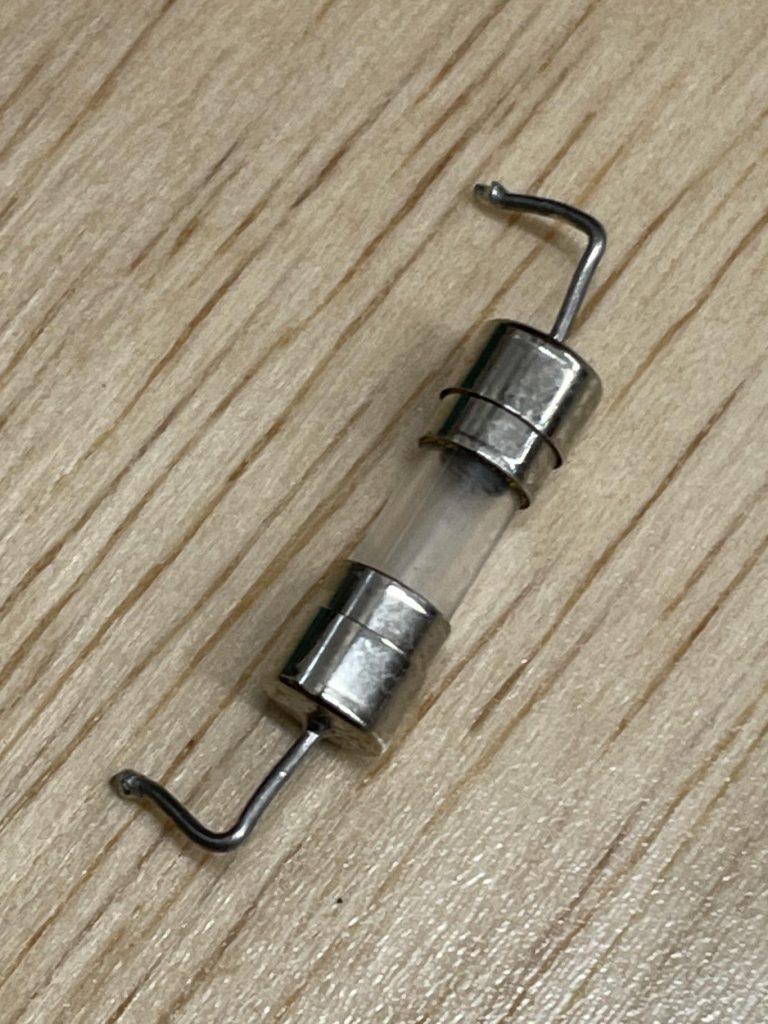
Have you ever pressed your garage door remote, only to hear silence instead of the familiar hum of the motor? It is a frustrating experience that often leaves homeowners wondering if their expensive opener has died completely. Before you call an expensive technician or start shopping for a new unit, you should ask yourself: is there a fuse in a garage door opener? The answer might save you time, money, and a lot of stress.
In most cases, the issue is not a catastrophic failure but a simple blown fuse or tripped circuit breaker. Understanding how your garage door’s electrical system works is the first step toward fixing it. This guide will walk you through everything you need to know about fuses in garage door openers, from locating them to replacing them safely.
Does Your Garage Door Opener Have a Fuse?
The short answer is: it depends on the model and age of your unit. However, the vast majority of modern garage door openers do not have a traditional, user-replaceable glass or ceramic fuse inside the main motor housing. Instead, they rely on other safety mechanisms.
Internal Thermal Fuses vs. External Circuit Breakers
Most residential garage door openers manufactured in the last two decades use thermal overload protectors rather than standard fuses. These are internal safety devices designed to cut power if the motor overheats from excessive use (like opening and closing the door repeatedly in a short period).
- Thermal Overload Protectors: These reset automatically once the motor cools down. If your door stops working after heavy use, wait 15–20 minutes. It may start working again without any intervention.
- Circuit Breakers: The primary “fuse” for your garage door opener is usually located in your home’s main electrical panel, not inside the opener itself. If the opener draws too much current, the breaker trips to prevent fire hazards.
However, some older models or specific commercial-grade units may still contain internal fuses. Additionally, many openers have a logic board that contains small surface-mount fuses. These are not designed for user replacement and typically require professional repair if blown.
Where to Find the Fuse or Power Source
If you are troubleshooting a dead garage door opener, you need to check three potential locations for power interruption. Following this order ensures you address the most common issues first.
1. The Home’s Electrical Panel
This is the most common culprit. Locate your home’s circuit breaker box. Look for a breaker labeled “Garage,” “Opener,” or “GDO.” If the switch is in the middle or “off” position, flip it fully off and then back on.
2. The GFCI Outlet
Many garage door openers are plugged into a Ground Fault Circuit Interrupter (GFCI) outlet, identifiable by the “Test” and “Reset” buttons. These outlets are sensitive to moisture and power surges.
- Check if the outlet has power by plugging in a lamp.
- If the lamp doesn’t work, press the Reset button on the outlet.
- If it trips again immediately, there may be a wiring issue requiring an electrician.
3. Inside the Motor Unit (Advanced)
If you have an older model or suspect an internal fuse, you must open the motor casing. Warning: Always unplug the unit before opening any covers. Look for a small glass cylinder or a colored plastic cap near the power entry point. Refer to your owner’s manual for the exact location, as it varies by brand (LiftMaster, Chamberlain, Genie, etc.).
How to Check and Replace a Blown Fuse
If you have confirmed that your unit has a replaceable fuse and the external power sources are functional, follow these steps to check and replace it.
Safety First: Unplug the garage door opener from the wall outlet. Never work on electrical components while they are live.
Step-by-Step Replacement Guide
- Access the Fuse: Remove the light cover or the main housing screws using a screwdriver. Locate the fuse holder. It is often a small black or white plastic clip holding a glass tube.
- Inspect the Fuse: Remove the fuse carefully. Hold it up to a light source. If the thin wire inside the glass is broken or the glass is blackened, the fuse is blown.
- Identify the Rating: Check the metal caps on the end of the fuse. You will see numbers like “5A 250V” or “3.15A.” You must replace it with a fuse of the exact same amperage and voltage. Using a higher amp fuse can cause fire hazards; using a lower one will cause it to blow immediately.
- Install the New Fuse: Insert the new fuse into the holder. Ensure it is seated firmly.
- Reassemble and Test: Put the cover back on, secure the screws, and plug the unit back in. Test the door using the wall button first, then the remote.
| Fuse Type | Common Use | Replaceable by User? |
|---|---|---|
| Glass Tube Fuse | Older models, some logic boards | Yes, if accessible |
| Thermal Cut-off | Modern motors | No (Auto-reset) |
| Circuit Breaker | Home electrical panel | Yes (Reset switch) |
| Surface-Mount Fuse | Logic boards | No (Requires soldering) |
Why Do Garage Door Fuses Blow?
Understanding why a fuse blows is crucial to preventing it from happening again. A fuse is a sacrificial device; it blows to protect the rest of the system from damage. Common causes include:
- Power Surges: Lightning strikes or grid fluctuations can send a spike of electricity through your home’s wiring.
- Motor Overheating: Operating the door continuously (e.g., letting kids play with the remote) can overheat the motor, triggering thermal fuses or blowing internal protections.
- Short Circuits: Damaged wiring, especially in the safety sensor wires or the wall button cable, can cause a short. Inspect wires for fraying or chew marks from pests.
- Faulty Capacitor: The start capacitor helps the motor begin its cycle. If it fails, it can draw excessive current, blowing the fuse.
According to industry standards, garage door openers should be installed on dedicated circuits to minimize interference from other high-draw appliances. For more information on electrical safety standards, you can refer to general electrical guidelines on Wikipedia.
When to Call a Professional
While replacing a fuse is a simple DIY task, certain signs indicate a deeper problem. Do not attempt further repairs if:
- The fuse blows immediately after replacement.
- You smell burning plastic or ozone from the motor unit.
- The motor hums but does not move the door (this could be a gear issue, not electrical).
- You are uncomfortable working with electrical components.
Professional technicians have multimeters to diagnose complex electrical faults and can replace entire logic boards if necessary. Attempting to bypass safety features can void your warranty and create significant liability risks.
FAQ Section
1. Can I bypass the fuse in my garage door opener?
No. Never bypass a fuse or use a higher-amperage fuse than recommended. The fuse is a critical safety feature designed to prevent electrical fires. Bypassing it can lead to catastrophic damage to your home and injury.
2. My garage door opener has no power, but the fuse is fine. What next?
Check the GFCI outlet first, as it is a very common point of failure. If the outlet has power, test the wall control button. If the wall button works but the remote doesn’t, the issue is likely with the remote’s battery or programming, not the opener’s fuse.
3. How often do garage door fuses need replacement?
Under normal conditions, a fuse should last the lifetime of the opener. If you find yourself replacing fuses frequently, there is an underlying electrical issue, such as a short circuit or a failing motor, that needs professional attention.
4. Is there a fuse in the garage door remote?
Remotes typically use batteries, not fuses. If your remote isn’t working, replace the battery first. If it still fails, the internal circuitry may be damaged, but this is rarely repairable due to the low cost of replacement remotes.
5. What size fuse does a garage door opener use?
There is no universal size. It varies by manufacturer and model. Common sizes are 3A, 5A, or 10A at 250V. Always check the label on the existing fuse or consult your owner’s manual before purchasing a replacement.
Conclusion
So, is there a fuse in a garage door opener? While modern units mostly rely on thermal protectors and home circuit breakers, many still contain internal fuses that can be replaced. By understanding where to look and how to safely check these components, you can resolve many power issues without calling a technician.
Remember, safety is paramount. Always unplug the unit before inspecting internal parts, and never ignore repeated fuse failures. If you found this guide helpful, please share it with your neighbors or on social media to help others keep their garages running smoothly!
Leave a Reply