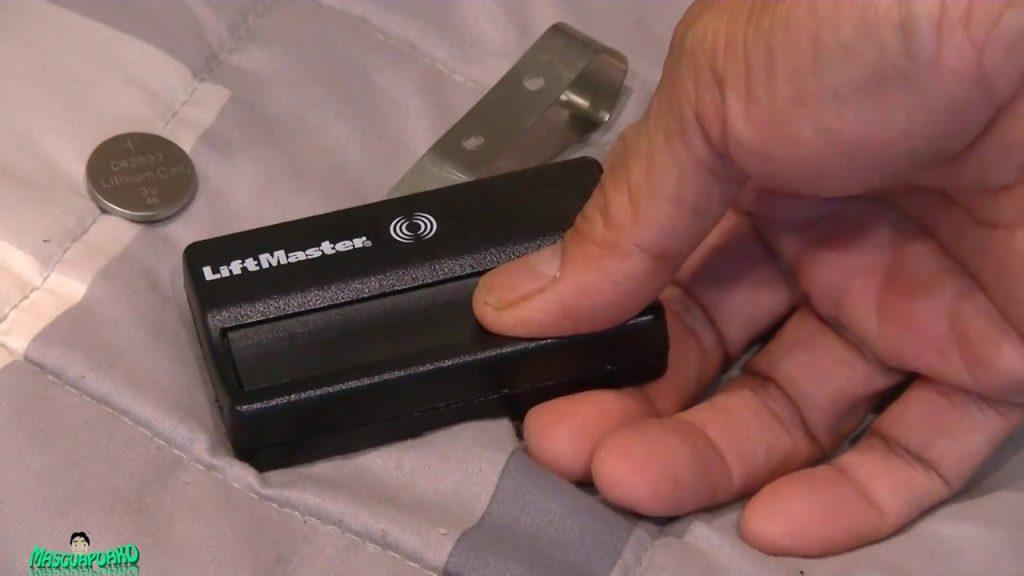
Have you ever stood in your driveway during a power outage, frantically pressing the remote button, only to realize your garage door won’t budge? It is a frustrating scenario that leaves many homeowners asking the critical question: is there a battery in Liftmaster garage door opener? Understanding the power dynamics of your garage system is essential for maintaining security and convenience, especially when the grid goes down.
In this comprehensive guide, we will demystify how Liftmaster openers handle power, explain the difference between standard remotes and backup systems, and provide you with actionable steps to ensure your garage remains accessible no matter what happens outside.
Understanding the Power Source of Your Liftmaster Opener
To answer the primary question accurately, we must first distinguish between the different components of your garage door system. Most standard Liftmaster garage door openers are designed to run on 120-volt AC household electricity. They plug directly into a wall outlet and do not contain an internal rechargeable battery for daily operation.
However, the confusion often stems from two specific areas:
- The Remote Controls: These handheld devices definitely contain batteries (usually coin-cell or AA/AAA).
- The Backup Battery Unit: Many modern Liftmaster models come with an optional or integrated backup battery system designed specifically for power outages.
If you own a newer model, such as those in the Elite Series or specific Smart Garage Door Openers, it is highly likely that your unit supports a backup battery. This component is not always installed by default but can be added to keep your door operational during blackouts.
How Standard Models Work vs. Backup-Enabled Models
| Feature | Standard Liftmaster Opener | Liftmaster with Backup Battery |
|---|---|---|
| Primary Power | 120V AC Wall Outlet | 120V AC Wall Outlet |
| Internal Battery | None for motor operation | Rechargeable DC Battery Pack |
| Operation During Outage | Inoperable (unless manual release used) | Operates for several cycles |
| Maintenance | Low (lubrication/sensors) | Moderate (battery replacement every 3-5 years) |
| Cost | Lower initial cost | Higher initial cost or add-on fee |
According to industry standards, a backup battery system typically provides enough power to open and close the door 20 to 50 times during a power outage, depending on the weight of the door and the specific model efficiency. This feature is invaluable for homeowners who rely on their garage as the primary entry point to their home.
Do All Liftmaster Garage Door Openers Have Batteries?
The short answer is no. Not every Liftmaster garage door opener comes with a built-in battery for motor operation. The presence of a battery depends largely on the model year and the series you purchased.
Older models, particularly those manufactured before 2010, rarely included backup battery capabilities. These units were strictly dependent on mains electricity. If the power went out, the only way to operate the door was by using the manual emergency release cord, which disengages the trolley from the opener carriage, allowing you to lift the door by hand.
In contrast, modern Liftmaster openers, especially those equipped with Wi-Fi connectivity and MyQ technology, are increasingly designed with battery backup compatibility. Some high-end models even ship with the battery pre-installed, while others require you to purchase the Liftmaster 828LM Backup Battery System separately.
Identifying Your Model’s Capability
To determine if your specific unit has a battery or supports one, check the following:
- Look for a Battery Compartment: On the main motor head, look for a plastic cover labeled “Backup Battery” or similar.
- Check the Manual: Refer to your owner’s manual for specifications on “Battery Backup” or “DC Operation.”
- Inspect the Wiring: A backup battery system will have additional wiring harnesses connected to the main logic board, distinct from the standard power cord.
For more detailed technical specifications on various garage door opener types, you can refer to general engineering principles outlined on Wikipedia’s page on Garage Door Openers.
Why You Might Need a Backup Battery
While a standard opener works perfectly fine during normal conditions, adding a backup battery transforms your garage door into a resilient part of your home’s security infrastructure. Here are the key benefits:
- Security During Outages: Without a backup, a power outage leaves your garage door stuck. If it was closed, you cannot get your car out. If it was open, you cannot secure your home. A battery ensures you can close and lock the door even when the grid is down.
- Convenience: Manually lifting a heavy garage door is physically demanding and potentially dangerous, especially for elderly individuals or those with mobility issues. A battery-powered opener eliminates this strain.
- Safety Features: Modern backup systems often maintain the functionality of safety sensors and auto-reverse features, ensuring the door does not close on obstacles even during emergency operation.
How to Install or Replace the Liftmaster Backup Battery
If your model supports a backup battery, installation is generally straightforward. However, safety is paramount. Always disconnect the power to the garage door opener before attempting any maintenance.
Step-by-Step Installation Guide
- Disconnect Power: Unplug the garage door opener from the wall outlet or turn off the circuit breaker.
- Locate the Battery Port: Find the battery compartment on the motor unit. It is usually located on the side or back of the housing.
- Prepare the Battery: If you are installing a new Liftmaster 828LM or similar compatible battery, ensure it is fully charged if required by the manufacturer’s instructions.
- Connect the Wires: Plug the battery’s connector into the designated port on the opener’s logic board. Ensure the connection is snug and secure.
- Mount the Battery: Secure the battery pack in its designated bracket or compartment. Some models use Velcro strips, while others use screws.
- Restore Power: Plug the opener back in. The system will automatically begin charging the battery. A LED indicator light will usually show the charging status (e.g., flashing green for charging, solid green for full).
Replacement Frequency
Backup batteries are typically sealed lead-acid (SLA) or lithium-ion units. They have a finite lifespan, usually lasting between 3 to 5 years. Signs that your battery needs replacement include:
- The door operates slowly during a test run.
- The backup system fails to engage during a simulated power outage.
- The LED indicator shows a fault or low battery warning.
Troubleshooting Common Battery Issues
Even with a backup system, issues can arise. Here are some common problems and solutions:
- Battery Not Charging: Check the connections. Ensure the opener is receiving power. If the LED does not light up, the battery may be dead or the charger circuit faulty.
- Short Runtime: If the door only opens once or twice during an outage, the battery is likely degraded and needs replacement.
- Error Codes: Consult your manual for specific error codes related to the backup system. Often, a simple reset (unplugging for 30 seconds) can clear minor glitches.
FAQ Section
1. Can I use any brand of battery for my Liftmaster opener?
It is highly recommended to use OEM (Original Equipment Manufacturer) Liftmaster batteries or certified compatible replacements. Using unauthorized batteries may void your warranty and could pose safety risks due to incompatible voltage or charging profiles.
2. How long does a Liftmaster backup battery last during a power outage?
Typically, a fully charged backup battery can operate the garage door 20 to 50 times. This varies based on the door’s weight, spring tension, and frequency of use. It is designed for emergency access, not continuous daily use without mains power.
3. Does the remote control battery affect the opener’s main power?
No. The batteries in your handheld remote controls are independent of the opener’s main power source. If your remote stops working, replace its coin-cell or AA batteries, but this will not fix an opener that has lost mains electricity unless you have a backup battery installed.
4. How do I know if my Liftmaster opener has a backup battery installed?
Look for a LED status light on the motor unit that indicates battery status. Additionally, check for a physical battery pack attached to the unit. You can also perform a test by unplugging the opener and attempting to operate it via the wall console or remote.
5. Is it safe to leave the backup battery plugged in all the time?
Yes, Liftmaster backup systems are designed to remain connected and trickle-charge the battery continuously. This ensures the battery is always ready for an emergency. The system includes overcharge protection to prevent damage.
6. What happens if the backup battery dies completely?
If the backup battery fails, your garage door opener will revert to standard operation, meaning it will only work when mains power is available. You will need to replace the battery to restore outage functionality. The opener itself will still function normally during powered hours.
Conclusion
So, is there a battery in Liftmaster garage door opener? The answer depends on your specific model, but for most modern units, the capability exists either as a standard feature or an easy-to-add upgrade. While the opener itself runs on household electricity, the addition of a backup battery system provides peace of mind, security, and convenience during power outages.
By understanding your system’s capabilities and maintaining your backup battery, you ensure that your garage door remains a reliable entry point to your home, regardless of external conditions. Don’t wait for the next storm to find out if your system is ready—check your model today and consider investing in a backup if you haven’t already.
Found this guide helpful? Share it with your neighbors on social media to help them stay prepared too!
Leave a Reply