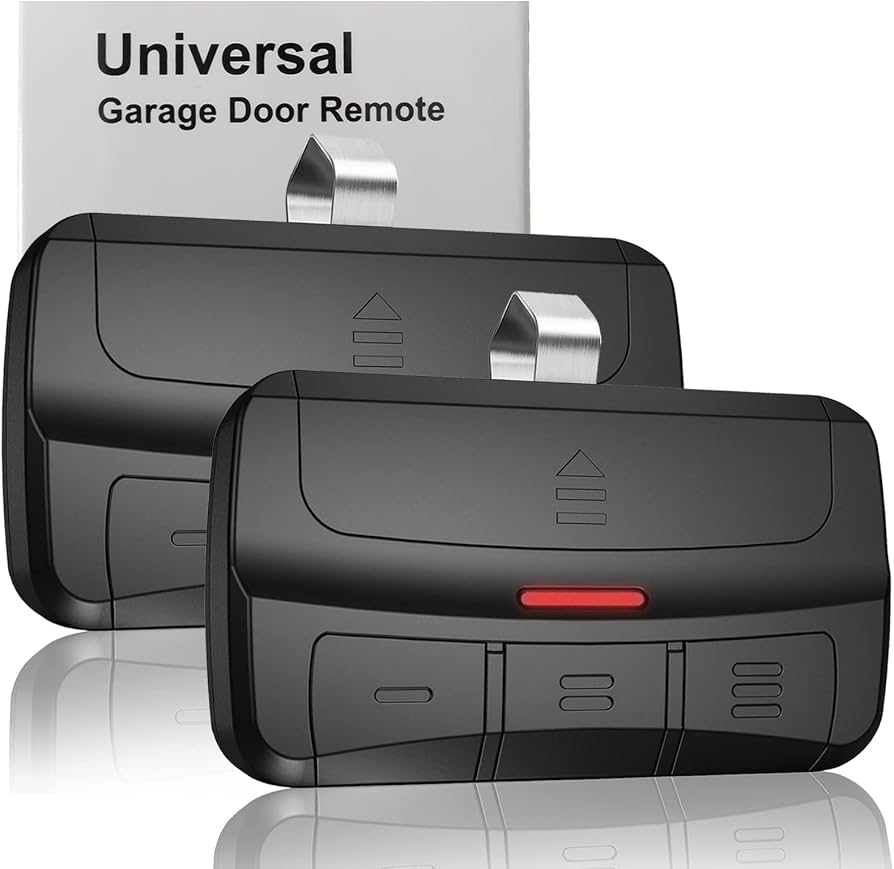
Have you ever stood in your driveway, frantically pressing buttons on a new remote, only to watch your garage door remain stubbornly closed? It is a frustrating scenario that many homeowners face when they lose their original transmitter or buy a used home. You are likely asking yourself, is there a universal remote for garage door openers that can solve this headache without requiring a costly professional installation?
The short answer is yes, but with significant caveats. While true “one-size-fits-all” remotes do not exist due to varying security protocols, modern universal remotes are designed to work with the vast majority of major brands. Understanding how these devices communicate with your opener is the key to saving time and money.
How Do Universal Garage Remotes Actually Work?
To understand if a universal remote will work for you, you must first understand the technology behind your garage door opener. Garage door openers operate on radio frequencies (RF), typically 315 MHz or 390 MHz in North America. However, frequency is only half the battle.
The other half is the coding protocol. Early openers used simple dip switches—tiny physical switches inside the motor unit that had to match the remote. Today, most systems use rolling code technology. This security feature changes the access code every time you press the button, preventing thieves from intercepting and replaying the signal.
According to industry standards, a universal remote must be compatible with both the frequency and the coding protocol of your specific opener. This is why a remote labeled “universal” usually lists specific brands it supports, such as Chamberlain, LiftMaster, Genie, or Craftsman. It is not magic; it is pre-programmed logic that mimics the signals of these major manufacturers.
For a deeper technical understanding of radio frequency regulations in consumer devices, you can refer to Wikipedia’s entry on Radio Spectrum.
Which Brands Are Compatible with Universal Remotes?
Not all garage door openers are created equal. Before purchasing a universal remote, you need to identify your opener’s brand and model. Here is a breakdown of compatibility for the most common systems in the US market.
Major Compatible Brands
Most high-quality universal remotes will work seamlessly with:
- Chamberlain / LiftMaster: These two brands share the same parent company and technology. They are the most compatible with universal units.
- Genie: Known for their Intellicode system, Genie openers are widely supported by third-party remotes.
- Craftsman: Many older Craftsman models were manufactured by Chamberlain, making them highly compatible. Newer models may require specific programming steps.
- Stanley: Older Stanley openers often use dip switches, which are easy to replicate with universal remotes.
Brands That May Require Specific Remotes
Some proprietary systems are harder to hack into with a generic device:
- Linear: Often uses fixed codes but may require specific frequency matching.
- Wayne Dalton: Uses a unique rolling code system that some basic universal remotes cannot mimic.
- SOMMER: A European brand that may use different frequencies or encryption standards not found in standard US universal remotes.
| Brand | Compatibility Level | Notes |
|---|---|---|
| LiftMaster/Chamberlain | High | Works with most 315/390 MHz universal remotes. |
| Genie | High | Look for remotes supporting Intellicode 1 & 2. |
| Craftsman | Medium-High | Depends on the manufacturing year. |
| Wayne Dalton | Low-Medium | May require a brand-specific replacement. |
| Proprietary Smart Systems | Low | Often require app-based control rather than RF. |
Step-by-Step Guide to Programming a Universal Remote
Once you have purchased a compatible universal remote, the next step is programming it. While each model varies slightly, the general process follows a standard logic. Always consult your specific manual, but here is a reliable general method.
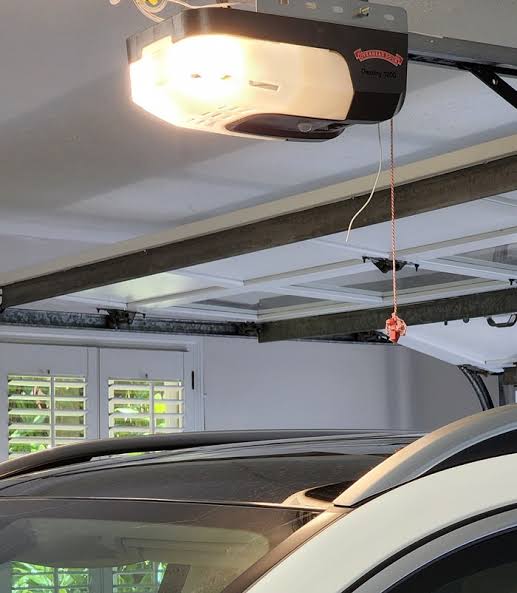
Step 1: Locate the Learn Button Climb a ladder to access your garage door opener motor unit hanging from the ceiling. Look for a small LED light and a button labeled “Learn,” “Smart,” or “Program.” It is usually located on the back or side of the unit. The color of the button (yellow, purple, orange, or red) indicates the type of security protocol used.
Step 2: Clear Old Codes (Optional but Recommended) If you are replacing a lost remote, it is wise to clear the memory. Press and hold the Learn button for about 6–10 seconds until the LED light turns off. This erases all previously paired remotes and keypads. Note: You will need to reprogram all your existing devices after this step.
Step 3: Initiate Programming Mode Press and release the Learn button once. The LED light should turn on or start blinking. You typically have 30 seconds to complete the next step before the mode times out.
Step 4: Sync the Remote Within those 30 seconds, go to your universal remote. Press and hold the button you wish to use for the garage door. Hold it for 2–3 seconds, then release. Repeat this press-and-release action two more times. You should see the LED light on the motor unit blink or hear a click, indicating the code has been accepted.
Step 5: Test the Connection Stand clear of the door and press the button on your remote. The door should activate. If it does not, repeat the process, ensuring you are within range and the batteries are fresh.
Universal Remote vs. Brand-Specific Remote: Pros and Cons
Is it better to buy a universal remote or stick with the original manufacturer? Let’s weigh the options.
Universal Remotes
Pros:
- Cost-Effective: Typically priced between $15 and $30, compared to $40–$60 for OEM parts.
- Availability: Easily found at hardware stores, big-box retailers, and online.
- Multi-Brand Support: One remote can often control multiple openers from different brands.
Cons:
- Programming Complexity: May require more trial and error to find the right code set.
- Build Quality: Plastic casings may feel less durable than original equipment.
- Feature Limitations: May lack advanced features like battery status indicators or lock buttons.
Brand-Specific (OEM) Remotes
Pros:
- Guaranteed Compatibility: Designed specifically for your model.
- Ease of Use: Simple plug-and-play programming.
- Durability: Higher quality materials and weather resistance.
Cons:
- Higher Price: You pay a premium for the brand name.
- Limited Availability: May need to order online if not stocked locally.
When a Universal Remote Won’t Work
Despite the name, there are scenarios where a universal remote simply will not function. Recognizing these early can save you frustration.
First, if your garage door opener is older than 15–20 years, it may use obsolete frequencies or dip-switch systems that modern universal remotes no longer support. In this case, you might need to find a vintage-specific replacement or consider upgrading the entire opener unit.
Second, if you have a smart garage hub integrated directly into the motor, standard RF remotes might interfere with the Wi-Fi connectivity. Some newer smart openers rely exclusively on app-based control or encrypted Bluetooth signals, rendering traditional universal remotes useless.
Finally, if your opener uses proprietary encryption like certain Wayne Dalton or older Linear models, a generic universal remote may not be able to mimic the rolling code sequence correctly. In these instances, contacting the manufacturer for a certified replacement is the safest route.
FAQ Section
Can I use any universal remote for my garage door?
No, you cannot use any remote. You must ensure the universal remote supports the frequency (315 MHz or 390 MHz) and the coding protocol (rolling code or dip switch) of your specific opener brand. Always check the packaging for a list of compatible brands.
How do I know if my garage door opener uses rolling codes?
Look at the learn button on your motor unit. If it has a yellow, purple, or orange button, it likely uses rolling code technology. If it has a series of tiny physical switches (dip switches), it uses a fixed code system. Most openers manufactured after 1993 use rolling codes for security.
Is it safe to use a universal remote?
Yes, universal remotes are safe as long as they support rolling code technology. Rolling codes change the signal with every use, making it nearly impossible for hackers to intercept and reuse the code. Avoid using old fixed-code universals if security is a primary concern.
Can I program a universal remote without the original?
Yes, you do not need the original remote to program a new universal one. You only need access to the “Learn” button on the garage door opener motor unit. As long as you can reach the motor, you can sync any compatible remote.
Why won’t my universal remote work after programming?
Common reasons include dead batteries, being out of range, or incorrect programming steps. Ensure you are pressing the learn button correctly and holding the remote button for the specified duration. Also, check if your opener’s antenna wire is hanging down and not damaged.
Conclusion
So, is there a universal remote for garage door openers? Yes, there is, and it is likely the most cost-effective solution for most homeowners. By identifying your opener’s brand and ensuring the remote supports the correct frequency and security protocol, you can regain control of your garage without breaking the bank.
Remember, while universal remotes offer great flexibility, they require careful programming. Take your time, follow the steps, and test thoroughly. If you found this guide helpful, please share it with friends or neighbors who might be struggling with their own garage door mysteries. A little knowledge can go a long way in keeping your home secure and accessible.
Leave a Reply