Installing a garage door opener can seem like a challenging task, especially if you’ve never done it before. However, with the right tools, clear instructions, and some patience, it’s definitely something you can handle as a DIY project. But the big question is, how easy is it to install a garage door opener?
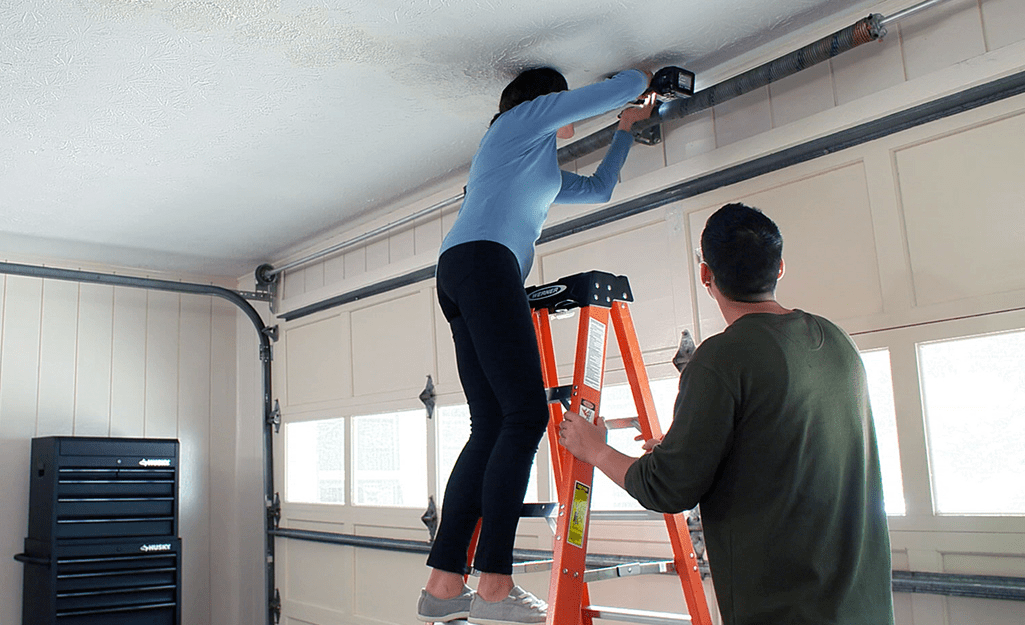
The answer depends on several factors, including your experience with home improvement projects, the type of garage door opener you choose, and whether your garage is already wired for an opener. In this guide, we’ll break down the process, the tools you’ll need, and potential challenges to help you decide if you should install it yourself or hire a professional.
Read too: The Complete Guide to Tighten Chain On Garage Door Opener for Smooth Operation
Understanding Garage Door Openers: Types and Features
Before diving into the installation process, it’s important to understand the different types of garage door openers available. Each type has unique installation requirements and difficulty levels.
1. Chain-Drive Garage Door Openers
- Uses a metal chain to move the door.
- Pros: Affordable and strong, ideal for heavy doors.
- Cons: Noisy, requires more maintenance.
- Installation Difficulty: Moderate
2. Belt-Drive Garage Door Openers
- Uses a rubber belt instead of a chain.
- Pros: Quiet operation, less maintenance.
- Cons: More expensive than chain-drive models.
- Installation Difficulty: Easy to Moderate
3. Screw-Drive Garage Door Openers
- Uses a threaded steel rod to move the door.
- Pros: Fewer moving parts, requires less maintenance.
- Cons: Not as quiet as belt-driven openers.
- Installation Difficulty: Moderate
4. Direct-Drive Garage Door Openers
- The motor moves along a stationary chain or rail.
- Pros: Quiet, reliable, and long-lasting.
- Cons: More expensive than other types.
- Installation Difficulty: Easy
5. Smart Garage Door Openers
- Can be controlled via smartphone apps.
- Pros: Convenient, offers remote access and monitoring.
- Cons: May require Wi-Fi setup and additional configuration.
- Installation Difficulty: Easy to Moderate
Now that you have a basic understanding of garage door openers, let’s dive into the installation process.
How Easy Is It to Install a Garage Door Opener?
The ease of installation depends on whether you already have an opener in place and how familiar you are with basic tools. If you’re comfortable with DIY projects, installing a new garage door opener can take around 4 to 6 hours.
Here’s a step-by-step breakdown of the process:
Tools and Materials Needed
Before you start, gather the following tools and materials:
✔️ Power drill
✔️ Wrenches and screwdrivers
✔️ Ladder
✔️ Measuring tape
✔️ Stud finder
✔️ Safety glasses
✔️ Level
✔️ Pliers
✔️ Hammer
✔️ Garage door opener kit (including rails, motor unit, and sensors)
Step 1: Prepare Your Garage
- Ensure your garage door is in good working condition.
- Remove any old garage door opener (if applicable).
- Check for an available power source near the opener installation site.
Step 2: Assemble the Garage Door Opener
- Follow the manufacturer’s instructions to put together the main rail and trolley system.
- Attach the motor unit to the rail.
- Install the belt or chain drive (depending on your opener type).
Step 3: Mount the Garage Door Opener
- Locate the ceiling joists using a stud finder.
- Secure the opener’s mounting bracket to the ceiling.
- Use a level to ensure the rail is straight.
Step 4: Install the Safety Sensors
- Position the photoelectric safety sensors near the bottom of the door tracks.
- Align them properly so that they face each other.
- Secure the wiring along the walls or ceiling to prevent loose cables.
Step 5: Connect the Opener to the Door
- Attach the arm and bracket to the garage door.
- Make sure the connection is secure to avoid operational issues.
Step 6: Wire the System and Test the Operation
- Plug in the opener and ensure all connections are secure.
- Test the garage door by opening and closing it several times.
- Adjust the limit switches if the door doesn’t fully open or close.
Step 7: Program the Remote and Safety Features
- Set up the remote controls.
- If using a smart garage door opener, connect it to Wi-Fi and configure the mobile app.
- Test the auto-reverse function by placing an object in the door’s path.
Common Installation Challenges and How to Fix Them
While installing a garage door opener is generally straightforward, you might encounter some issues. Here are common problems and their solutions:
1. Garage Door Opener Doesn’t Work After Installation
- Possible Causes: Loose wiring, incorrect connections, or power issues.
- Solution: Double-check all wiring and ensure the power source is functional.
2. Garage Door Doesn’t Close Fully
- Possible Causes: Misaligned limit switches.
- Solution: Adjust the switches to fine-tune the stopping position.
3. Sensors Are Not Working Properly
- Possible Causes: Dust or misalignment.
- Solution: Clean the sensors and realign them.
4. Loud Noises During Operation
- Possible Causes: Loose hardware or lack of lubrication.
- Solution: Tighten all bolts and apply garage door lubricant to moving parts.
Should You DIY or Hire a Professional?
If you’re comfortable using tools and following detailed instructions, installing a garage door opener yourself can save you money. However, there are situations where hiring a professional is a better choice:
✔️ If your garage has complex wiring needs.
✔️ If you’re installing a heavy-duty opener for a large door.
✔️ If you’re unsure about ceiling mounting and bracket installation.
A professional installation typically costs $150 to $500, depending on the complexity of the job.
Final Thoughts: Is Installing a Garage Door Opener Easy?
So, how easy is it to install a garage door opener? The answer depends on your level of experience, the type of opener you choose, and the condition of your garage.
For handy DIYers, it’s a manageable project that takes about 4 to 6 hours. However, for those who are less experienced with tools and electrical work, hiring a professional might be the best option.
If you decide to go the DIY route, following the step-by-step guide, preparing properly, and troubleshooting issues will ensure a smooth installation. And once it’s installed, you’ll enjoy the convenience, security, and ease of having an automatic garage door opener.
Leave a Reply