Choosing the right motor strength is critical when deciding how many horsepower garage door opener do I need. A door that is too heavy for a weak opener can strain the motor, while an overpowered motor may be unnecessary and costly. This guide helps homeowners select the ideal horsepower for smooth, reliable garage door operation.
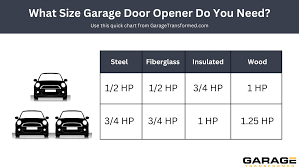
Understanding Garage Door Horsepower
Garage door openers are typically measured in horsepower (HP), which determines how much force the motor can exert. Here’s a basic overview:
- 1/3 HP: Suitable for single, lightweight doors (up to ~7 feet tall, 8 feet wide)
- 1/2 HP: Ideal for standard single doors, slightly heavier doors, or taller doors
- 3/4 HP: Best for double doors, heavy doors, or doors with insulation
- 1 HP or More: Required for very large doors, commercial use, or extreme climates
Tip: The heavier or larger the door, the more horsepower you need for smooth operation and longevity.
Read too: Mastering the Art of Adjusting a Chamberlain Garage Door Opener for Smooth Operation and Safety
Factors Affecting Garage Door Opener Horsepower Needs
- Door Size and Weight: Heavier doors need stronger motors. Steel and insulated doors are heavier than wood or aluminum.
- Frequency of Use: Doors opened frequently benefit from a more powerful opener to reduce motor wear.
- Door Type: Sectional, roll-up, or tilt-up doors require different force levels.
- Climate: Extreme cold can make doors stiffer, requiring more motor power.
Step-by-Step Guide to Choosing the Right HP
- Measure Your Door: Record width, height, and material to estimate weight.
- Check Manufacturer Specs: Many door manufacturers provide recommended opener HP.
- Consider Daily Use: Heavy usage may warrant choosing the next highest HP for durability.
- Match Motor Type: Chain-drive, belt-drive, and screw-drive motors have different torque characteristics.
- Verify Safety Features: Ensure the opener supports automatic reverse and safety sensors, especially for heavier doors.
Advantages of Correct Horsepower Selection
| Horsepower | Door Type | Advantages | Drawbacks |
|---|---|---|---|
| 1/3 HP | Light single doors | Affordable, energy-efficient | Not for heavy doors |
| 1/2 HP | Standard single doors | Reliable for average use | Struggles with very heavy doors |
| 3/4 HP | Double or heavy doors | Smooth operation, long lifespan | Higher cost |
| 1 HP+ | Commercial/very heavy doors | Handles weight easily, durable | Expensive, higher energy use |
FAQ (H2)
Q1: Can a 1/3 HP opener lift a double door?
A: No, a 1/3 HP motor is too weak. Double doors require at least 3/4 HP for safe operation.
Q2: Does insulation add weight to my garage door?
A: Yes, insulated doors can weigh significantly more, so you may need a stronger opener.
Q3: Can I upgrade an existing opener to higher HP?
A: Yes, but check compatibility with your door type and drive system.
Q4: Is a more powerful opener always better?
A: Not necessarily. Overpowered openers are more expensive and may be overkill for small, lightweight doors.
Q5: How does climate affect opener choice?
A: Cold temperatures can stiffen door components, requiring a stronger motor to maintain smooth operation.
Q6: Are belt-drive openers better for heavier doors?
A: Belt drives are quieter and handle weight well, but ensure HP matches door size.
Tips for Long-Term Performance
- Regular Maintenance: Lubricate rollers, hinges, and tracks to reduce motor load.
- Proper Installation: Ensure balanced doors to prevent strain on the opener.
- Safety Checks: Test auto-reverse and sensors monthly for safety compliance.
- Energy Efficiency: Higher HP motors consume more power; match your opener to door requirements.
For more information on garage door openers and motors, see Garage Door Opener – Wikipedia.
Conclusion
Selecting the correct horsepower ensures safe, efficient, and durable garage door operation. Consider door weight, size, frequency of use, and environmental conditions when asking how many horsepower garage door opener do I need. Proper selection prevents premature wear, saves energy, and ensures smooth operation. Share this guide with friends or family planning to upgrade their garage doors.
Leave a Reply