Introduction
There is nothing quite as frustrating as sitting in your driveway, pressing a button repeatedly, and watching your garage door refuse to respond. If you are struggling with how to set up a car garage door opener, you are not alone; millions of US homeowners face this exact hurdle when moving into a new home or replacing an old unit. This guide provides a friendly, comprehensive walkthrough to get your system running smoothly, ensuring you can park your car inside with confidence and security.
Understanding Your Garage Door Opener System
Before grabbing a ladder, it is vital to understand that “setting up” can mean two distinct things: programming a vehicle’s built-in transmitter (like HomeLink) or installing/programming a new handheld remote for an existing motor. According to industry data from the Door & Access Systems Manufacturers Association (DASMA), over 70% of modern US homes utilize automatic openers, yet improper setup remains the leading cause of service calls.
For a deeper technical understanding of the radio frequency mechanisms and safety standards governing these devices, you can refer to the Garage door opener entry on Wikipedia.org. Understanding the basics helps prevent damage to your vehicle’s electronics or the opener’s logic board during the setup process.
Types of Openers Common in US Homes
| Opener Type | Frequency | Best For | Setup Difficulty |
|---|---|---|---|
| Chain Drive | 315/390 MHz | Standard detached garages | Moderate |
| Belt Drive | 315/390 MHz | Attached garages (quiet) | Moderate |
| Screw Drive | 315 MHz | Wide doors / heavy use | Easy |
| Smart/Wi-Fi | Dual-Band + Wi-Fi | Tech-integrated homes | Variable |
How Do I Program My Car’s Built-In Garage Opener?
Most modern vehicles sold in the US feature integrated transmitters like HomeLink or Car2U. Here is the universal method for syncing your car to your garage:
- Clear Previous Codes: Press and hold the two outer buttons on your car’s visor transmitter for 10–20 seconds until the indicator light flashes rapidly. This erases old programming.
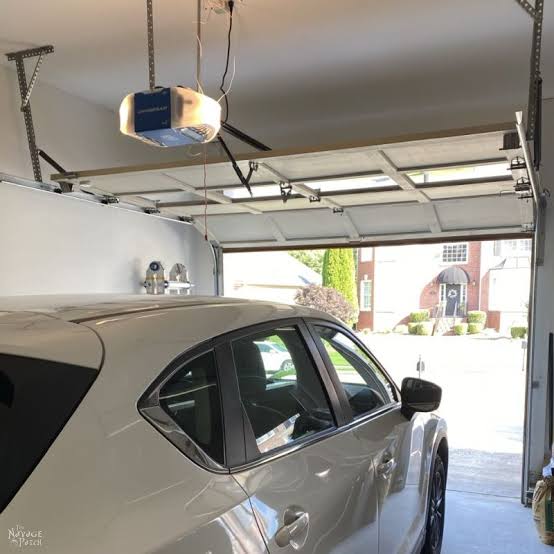
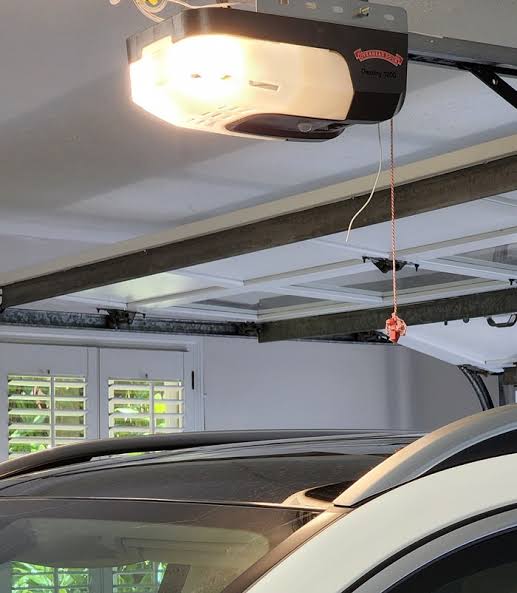
- Locate the Learn Button: Find the “Learn” or “Smart” button on your garage motor unit. It is typically yellow, purple, orange, or red and located near the antenna wire.
- Initiate Pairing Mode: Press and release the Learn button. The LED will illuminate or blink, giving you exactly 30 seconds to complete the next step.
- Sync the Vehicle: Return to your car within that 30-second window. Press and hold your chosen visor button. Release when the garage light blinks or the door moves.
- Verify Operation: Test the button three times to ensure consistent signal strength.
Expert Tip: If your opener was manufactured after 2011, it likely uses Security+ 2.0 rolling code technology. You may need to press the Learn button twice or hold the car button in short 1-second bursts rather than one long press. Always consult your vehicle’s owner manual for model-specific nuances.
What Are the Steps to Install a New Handheld Remote?
If you are setting up a replacement clicker rather than a car-integrated system, follow these precise steps:
- Check Battery Orientation: Insert a fresh CR2032 or A23 battery, ensuring the positive (+) side faces the correct direction as indicated in the compartment.
- Access the Motor Unit: Safely position a stepladder under the opener. Never stand on the garage door tracks or springs.
- Press the Learn Button: As with car programming, press the colored Learn button once. The indicator light will activate for 30 seconds.
- Transmit the Signal: Within the time limit, press and hold the button on your new remote for 3–5 seconds. Release and wait for the motor unit light to flash or click.
- Test Range: Walk to the end of your driveway (approximately 20–30 feet) and test operation. Weak range often indicates a dying battery or antenna interference.
Why Is Safety Sensor Alignment Critical During Setup?
Since 1993, US federal law has mandated photoelectric safety sensors on all residential garage door openers. Setting up your opener without verifying sensor alignment is not just unsafe—it is illegal and can void your warranty.
Quick Sensor Check Checklist
- Height Verification: Sensors must be mounted no higher than 6 inches above the floor.
- LED Status: Both sensors should display a steady green (sending) and amber/red (receiving) light. A blinking light indicates misalignment or obstruction.
- Lens Cleaning: Wipe lenses with a microfiber cloth monthly; dust accumulation causes 15% of false-reversal incidents.
- Wire Integrity: Inspect wiring for staples, cuts, or moisture damage that could short the circuit.
Statistic: The Consumer Product Safety Commission (CPSC) reports that properly functioning sensors have reduced garage-related entrapment injuries by over 90% since their mandate. Never bypass or tape over sensors to “fix” a closing issue.
How To Set Up A Car Garage Door Opener With Smart Features
Modern Wi-Fi enabled openers (MyQ, Aladdin Connect, etc.) add app-based control but require additional configuration:
- Download the Manufacturer App: Use only official apps from verified developers.
- Connect to 2.4GHz Wi-Fi: Most garage openers do not support 5GHz networks. Ensure your router broadcasts a 2.4GHz band.
- Create Account & Add Device: Follow in-app prompts, scanning the QR code on the motor unit if available.
- Enable Geofencing (Optional): Set automatic open/close triggers based on your phone’s GPS location for hands-free entry.
- Update Firmware: Immediately check for updates post-setup to patch security vulnerabilities.
Frequently Asked Questions (FAQ)
Q1: Why won’t my car’s built-in opener sync with my garage?
Older fixed-code openers (pre-1996) are incompatible with modern rolling-code car transmitters. You may need a compatibility bridge or receiver upgrade. Also verify your vehicle supports the opener’s frequency; some European-market cars differ from US standards.
Q2: How often should I reprogram my garage door opener?
Reprogramming is only necessary when replacing batteries in smart remotes, changing the motor unit, or experiencing signal interference. Annual testing of safety sensors and mechanical components is recommended, but reprogramming itself has no scheduled interval.
Q3: Can I set up multiple cars to the same garage opener?
Absolutely. Most US openers support 8–15 individual remotes plus 3–5 car-integrated transmitters. Each vehicle must be programmed individually using the Learn button sequence. Keep a written log of which button corresponds to which vehicle for future troubleshooting.
Q4: My remote works close up but not from the driveway—what’s wrong?
This typically indicates weak batteries, antenna issues, or RF interference. Replace the remote battery first. Next, ensure the motor unit’s antenna hangs vertically and isn’t touching metal. LED bulbs in nearby fixtures can also emit interfering frequencies; switch to garage-door-rated LEDs if suspected.
Q5: Is professional installation worth the cost for setup?
For simple remote programming, DIY is perfectly safe and cost-effective. However, if your setup involves spring adjustment, track realignment, or new motor installation, hire a DASMA-certified technician. Torsion springs store lethal energy and should never be handled without proper tools and training.
Q6: What if I lost my original remote and don’t know the opener brand?
Check the motor unit’s label for manufacturer and model number. Universal remotes sold at major US retailers cover 90%+ of openers made after 1993. If the unit is unmarked or antique, photograph it and consult a local garage door specialist for identification.
Conclusion
Learning how to set up a car garage door opener empowers you with convenience, security, and peace of mind. Whether you are syncing a new vehicle, replacing a lost remote, or upgrading to smart controls, following these structured steps ensures reliable daily operation while maintaining critical safety standards. Remember that patience during the 30-second learn window and meticulous sensor verification are the true keys to success.
Found this guide helpful? Share it on Facebook, X (Twitter), or Pinterest to help fellow homeowners avoid garage door headaches! Tag a friend who just moved into a new house—they’ll thank you later. Safe parking! 🚗🏠
Leave a Reply