Introduction
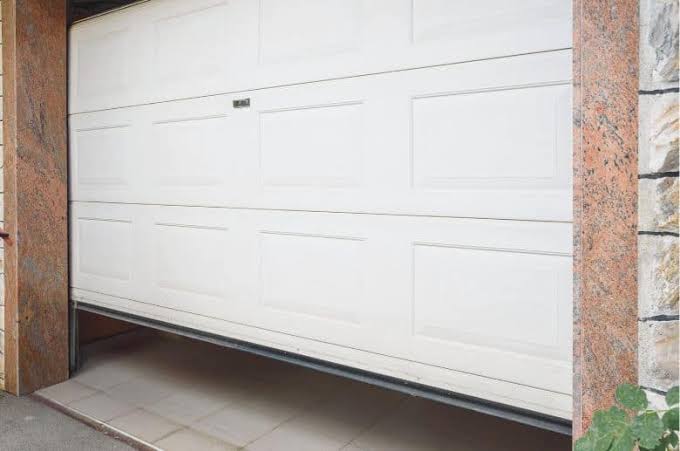
We have all been there: you are in a rush and wonder, is it bad to leave garage door half open just for a few minutes? While it might seem like a harmless shortcut for quick access or ventilation, this common habit can expose your home to serious security, safety, and mechanical risks. Let us explore why keeping your garage door fully closed is always the best choice for your peace of mind and property protection.
Is It Bad To Leave Garage Door Half Open? The Top Risks
Leaving your garage door partially open is not just a minor oversight; it introduces multiple vulnerabilities to your home. Below are the primary risks you need to understand.
1. Security Vulnerabilities and Burglary Risks
A half-open garage door is essentially an open invitation to trespassers. Criminals often scout neighborhoods for easy targets, and a partially open door signals that the home might be unoccupied or that the residents are careless. Even a 12-inch gap is enough for an intruder to slide under, unlock the interior door leading to your house, and gain full access. According to the FBI’s Uniform Crime Reporting (UCR) program, a significant percentage of residential burglaries occur through unsecured or weakly secured entry points, with garages being a primary target.
2. Safety Hazards for Children and Pets
Curiosity can be dangerous. A half-open garage door creates a tempting gap for young children and pets. Kids might try to crawl under it to retrieve a ball, while pets could dart outside into the street. Furthermore, the exposed track and moving components of a partially open door pose pinch-point hazards. The Consumer Product Safety Commission (CPSC) consistently warns that garage doors are heavy mechanical systems that require full closure to ensure safety locks and sensors function as intended.
3. Mechanical Strain on Springs and Openers
Garage doors are engineered to operate in complete cycles: fully open or fully closed. When a door is left half open, the torsion springs remain under uneven, sustained tension. Over time, this abnormal stress can lead to premature spring fatigue or sudden snapping. Additionally, the garage door opener motor may overheat or experience gear wear if the system is frequently halted in intermediate positions without proper disengagement.
4. Pest Infestations and Weather Damage
A gap of even a few inches is large enough for rodents, raccoons, spiders, and insects to enter your garage. Once inside, they can nest in your insulation, chew through wiring, or contaminate stored items. Moreover, a half-open door allows rain, snow, and humid air to enter, which can warp wooden doors, rust metal tracks, and damage sensitive tools or vehicles parked inside.
Perceived Benefits vs. Actual Risks
Many homeowners leave the door half open thinking it helps with airflow or quick exits. However, the drawbacks heavily outweigh these minor conveniences.
| Factor | Perceived Benefit | Actual Risk |
|---|---|---|
| Ventilation | Lets fresh air into a stuffy garage. | Invites pests, humidity, and extreme temperatures. |
| Quick Access | Saves time when loading/unloading. | Creates a major security blind spot for burglars. |
| Motor Rest | Avoids running the opener for short trips. | Causes uneven spring tension and potential track misalignment. |
| Pet Convenience | Lets pets in and out easily. | Risks pets escaping into traffic or getting injured. |
How to Safely Ventilate and Secure Your Garage
If your goal is to improve airflow or manage garage access without compromising safety, follow this step-by-step guide using concrete, actionable measures:
- Install a Dedicated Garage Ventilation Fan: Instead of opening the door, install an exhaust fan rated for at least 150 CFM (Cubic Feet per Minute). This will effectively cycle out hot air and fumes without breaching your home’s security envelope.
- Use a Smart Garage Door Controller: Devices like myQ or similar Wi-Fi-enabled openers allow you to monitor your door’s status remotely. Set up an automation rule to receive a push notification if the door remains open for more than 10 minutes, allowing you to close it immediately from your phone.
- Weatherstrip the Perimeter: Ensure your garage door has high-quality rubber weatherstripping along the bottom and sides. This maintains an internal temperature between 50–70°F (10–21°C), protecting stored items without needing to crack the door open.
- Schedule Bi-Annual Maintenance: Every six months, apply a silicone-based lubricant to the rollers, hinges, and springs. This ensures the door operates smoothly and closes completely every time, reducing the temptation to leave it ajar due to sticking.
Expert Insights and Structural Design
Historically, the residential overhead door was designed with a singular focus: to provide a complete, weather-tight seal and a robust physical barrier for vehicles and property. Modern garage door systems integrate advanced safety features, such as photoelectric sensors and auto-reverse mechanisms, which are calibrated for full closure. Bypassing this design by leaving the door half open nullifies these engineered safety protocols. Professional garage technicians universally advise that if a door cannot close fully, it should be manually locked in the closed position and serviced immediately, rather than being left in a vulnerable intermediate state.
Frequently Asked Questions (FAQ)
1. Can I leave my garage door open a crack for ventilation?
While it is physically possible, it is highly discouraged. The security and pest risks far outweigh the minor ventilation benefit. Instead, invest in a proper garage exhaust fan or open a small, secure window if your garage has one.
2. Will leaving the garage door half open damage the opener motor?
Occasionally, it may not cause immediate failure, but habitual partial closing keeps the motor’s internal gears and the door’s torsion springs under abnormal, static tension. Over months or years, this significantly shortens the lifespan of both the springs and the opener.
3. How do I stop my garage door from closing halfway?
If your door consistently stops halfway, it is likely a safety sensor issue. Check the photoelectric sensors near the floor; ensure they are aligned, clean, and free of obstructions. If the green and yellow indicator lights are blinking, realign the brackets until both lights glow solid.
4. What should I do if my garage door gets stuck half open?
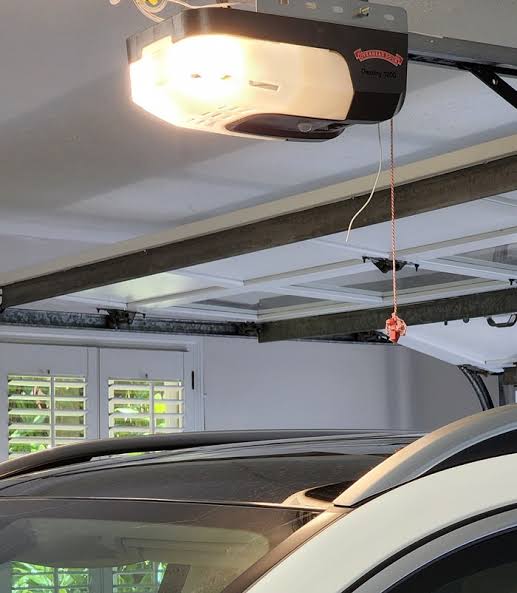
Do not force it. First, disconnect the opener by pulling the emergency release cord (usually a red handle). Then, manually lift the door to the fully open position and secure it with locking pliers on the track just below a roller. Call a licensed garage door technician to inspect the springs and cables before using it again.
5. Is it safe to leave the garage door open while on vacation?
Absolutely not. An open or half-open garage is the number one indicator of an unoccupied home. Always ensure the door is fully closed, locked, and that your smart home system confirms its status before leaving for an extended trip.
Conclusion
To answer the question directly: yes, it is undeniably bad to leave your garage door half open. The practice compromises your home’s security, endangers your family and pets, accelerates mechanical wear, and invites unwanted pests and weather damage. By understanding these risks and implementing smart solutions like ventilation fans and smart controllers, you can maintain a safe, functional, and secure garage environment.
Found this guide helpful? Share this article with your friends and family on Facebook, Twitter, or Pinterest to help them protect their homes too! A secure garage is the first step toward total peace of mind.
Leave a Reply