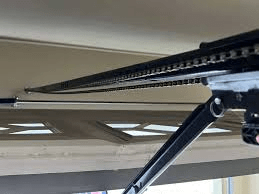
If you own a garage with a chain-driven opener, you may ask, how tight should a garage door opener chain be. Proper tension ensures smooth, quiet operation while protecting the motor and the door itself. Too loose, and the chain may slip or make noise; too tight, and it can strain components or reduce lifespan. Understanding the correct tension is crucial for reliable performance and safety.
Why Chain Tension Matters
- Smooth Operation: Prevents jerky or uneven door movement.
- Motor Longevity: Over-tight chains can overload the motor.
- Safety: Loose chains may slip off sprockets or fail suddenly.
- Noise Reduction: Correct tension reduces rattling and clanking sounds.
Read too: How To Replace Garage Door Roller Like a Pro? Step-by-Step Guide
Signs Your Garage Door Opener Chain Is Too Loose
- Audible rattling or clanking when opening or closing
- Visible slack in the chain along the track
- Door lags or hesitates during movement
- Chain jumps off sprockets during operation
Signs Your Garage Door Opener Chain Is Too Tight
- Motor struggles to lift the door
- Belt or chain appears stretched or taut
- Premature wear on motor or sprockets
- Excessive vibration during operation
Recommended Chain Tension
Rule of Thumb:
- 1/2 inch vertical slack: With light pressure applied to the center of the chain, it should move approximately 1/2 inch up or down.
- Manufacturer Guidelines: Always refer to the specific garage opener manual, as tension requirements may vary between models like Genie, Chamberlain, and LiftMaster.
Tip: Use gentle, even pressure when testing tension. Avoid forcing the chain as this can give false readings.
Step-By-Step Guide to Adjusting Chain Tension
- Disconnect Power: Always unplug the opener before maintenance.
- Inspect the Chain: Check for wear, rust, or misalignment.
- Locate the Tension Adjustment: Typically near the motor or rear sprocket.
- Loosen Lock Bolts/Nuts: Allows movement for adjustment.
- Adjust Chain: Tighten or loosen until achieving 1/2 inch of vertical slack.
- Align Chain: Ensure it runs smoothly on sprockets and track.
- Reconnect Power and Test: Open and close the door slowly; observe motion and listen for noise.
- Fine-Tune: Adjust slightly if needed, then re-tighten lock bolts.
Advantages vs Disadvantages of Proper Chain Tension
| Tension Level | Advantages | Disadvantages |
|---|---|---|
| Proper (1/2 inch slack) | Smooth operation, motor longevity, safer | Requires periodic checking |
| Too Loose | Less strain on motor initially | Slippage, uneven movement, noise |
| Too Tight | Reduced chain slack | Overloads motor, wear on sprockets |
Expert Tips
- Inspect chain tension every 6–12 months or after extreme weather.
- Lubricate chain lightly with garage-specific lubricant to prevent wear.
- Replace worn chains with manufacturer-approved parts.
- Avoid DIY modifications that change sprocket spacing—they may void warranties.
Reference: Wikipedia on Garage Door Openers provides general mechanical principles and safety considerations.
FAQ Section
Q1: Can I use a garage door with a slightly loose chain?
A: Occasional use is possible, but prolonged operation may cause chain slippage, uneven wear, and potential damage.
Q2: How often should I check the chain tension?
A: Every 6–12 months or after heavy use or extreme weather changes.
Q3: Is adjusting the chain difficult for beginners?
A: Moderate skill is required. Follow safety guidelines and manufacturer instructions carefully.
Q4: Can I replace the chain with any garage door chain?
A: No. Always use manufacturer-approved replacement chains to ensure proper fit and safe operation.
Q5: What if the chain keeps loosening after adjustment?
A: Inspect sprockets, brackets, and lock bolts. Worn components may need replacement.
Conclusion
Knowing how tight a garage door opener chain should be is essential for smooth, safe, and reliable operation. Regular checks, proper adjustments, and using manufacturer-approved components will prolong your opener’s life and reduce maintenance issues. Share these tips with friends and family to help them maintain safe and functional garage doors.
Leave a Reply