Introduction
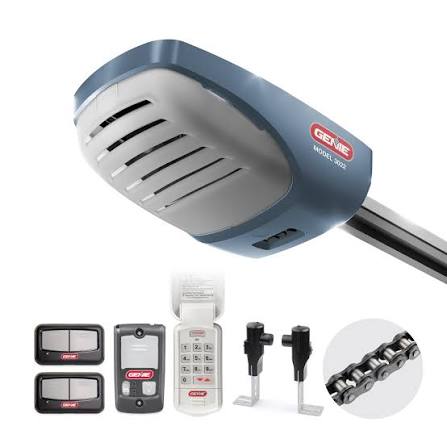
Is your Genie garage door opener moving at a snail’s pace, leaving you waiting in the driveway longer than necessary? You are not alone; many homeowners search for how to speed up a Genie garage door opener when daily convenience turns into daily frustration. While patience is a virtue, a sluggish garage door often signals underlying maintenance issues or incorrect settings that need immediate attention. This comprehensive guide will walk you through safe, manufacturer-approved methods to restore optimal speed without compromising safety or voiding your warranty.
Understanding Your Genie Opener’s Speed Limitations
Before grabbing a screwdriver, it is vital to understand why your door moves at its current pace. According to Wikipedia, modern residential garage door openers are governed by strict safety standards (UL 325) that limit travel speed to prevent injury and property damage. Most Genie chain-drive and belt-drive models operate between 7 to 9 inches per second.
If your door has suddenly slowed down, the issue is rarely the motor’s maximum capacity. Instead, it is usually friction, worn components, or outdated logic board settings. Attempting to bypass factory speed governors is dangerous and illegal in many jurisdictions. Therefore, “speeding up” your opener actually means restoring it to its intended factory specifications.
Common Causes of Sluggish Performance
| Symptom | Likely Cause | Difficulty Level |
|---|---|---|
| Door hesitates mid-travel | Worn rollers or track misalignment | Medium |
| Motor hums but door barely moves | Broken spring or stripped gear | High (Pro needed) |
| Consistent slow movement | Incorrect force/speed setting | Low |
| Noisy and slow operation | Lack of lubrication | Low |
| Intermittent slowing | Failing capacitor or logic board | Medium |
Can I Adjust The Speed Setting On My Genie Opener?
Yes, but only on specific models. Newer Genie openers with DC motors (like the SilentMax or StealthDrive series) feature adjustable speed settings via the wall console or programming buttons. Older AC motor models typically have fixed speeds determined by gear ratios.
Step-by-Step: Adjusting Speed on Compatible Genie Models
For Genie openers equipped with speed adjustment capabilities, follow these precise steps:
- Locate the Program Button: Find the square “Program” button on the motor head unit. It is usually near the LED light lens.
- Enter Programming Mode: Press and hold the Program button for approximately 3 seconds until the round LED turns blue. Release immediately.
- Select Speed Function: Press the Program button once more. The long LED should flash blue, indicating you are in the speed/force adjustment menu.
- Adjust the Setting: Use the “+” and “-” buttons on the wall console (or the arrow buttons on the motor head, depending on model) to increase travel speed. Test after each increment.
- Save and Exit: Press the Program button again to lock in the new setting. The LEDs will stop flashing, confirming the change.
- Test Safety Reversal: Crucial Step. Place a 2×4 board flat on the floor under the door. Close the door. It must reverse upon contact. If it does not, reduce speed or call a professional.
⚠️ Safety Warning: Never adjust speed settings beyond the manufacturer’s recommended range. Excessive speed can cause the door to derail, snap cables, or fail to reverse on obstruction, creating severe safety hazards.
How Do Maintenance Issues Affect Garage Door Speed?
Even if your settings are perfect, mechanical resistance will physically slow down any opener. Think of it like riding a bicycle with underinflated tires; no amount of pedaling effort will restore normal speed until the friction is removed.
1. Lubricate Moving Components Properly
Friction is the #1 enemy of speed. Apply white lithium grease or silicone-based garage door lubricant to:
- Roller stems (not the nylon wheels themselves)
- Hinge pivot points
- Torsion spring coils (lightly)
- Chain or belt drive rail
Avoid WD-40 standard formula, as it attracts dust and creates gummy residue that ultimately increases friction. Perform this maintenance every 6 months.
2. Inspect and Replace Worn Rollers
Steel rollers create significant drag compared to nylon alternatives. If your rollers are chipped, cracked, or have visible flat spots, they are acting as brakes. Upgrading to precision-sealed nylon rollers can improve perceived speed by 15–20% simply by reducing rolling resistance. Measure your roller stem diameter (typically 7/16″ or 1/2″) before purchasing replacements.
3. Check Track Alignment
Misaligned tracks force rollers to bind against the metal edges. Use a level to verify tracks are plumb and parallel. Gaps between the roller and track should be consistent (approximately 1/8 inch). Tighten loose mounting brackets, but do not force tracks out of alignment during tightening.
4. Evaluate Spring Tension
Garage door springs counterbalance the door’s weight. When springs lose tension or break, the opener must lift the full dead weight, causing dramatic slowdowns and premature motor failure. Spring replacement is extremely dangerous due to stored kinetic energy. Always hire a certified technician for spring service. Industry data shows improperly handled torsion springs cause thousands of emergency room visits annually.
When Should I Call A Professional Instead Of DIY?
Not every speed issue is a DIY fix. Recognizing when to stop saves money and prevents injury.
- Stripped Drive Gear: If the motor runs but the door doesn’t move, the internal plastic drive gear may be stripped. This requires disassembly and part replacement.
- Failing Capacitor: A weak start/run capacitor causes the motor to struggle and overheat. Testing requires a multimeter and electrical knowledge.
- Cable Damage: Frayed or loose lift cables indicate imminent failure. Operating the door in this condition risks catastrophic collapse.
- Persistent Slowdown After Maintenance: If you’ve lubricated, aligned, and adjusted settings but speed remains poor, the motor windings or circuit board may be failing. Replacement is often more cost-effective than repair for units over 10 years old.
FAQ: Speeding Up Your Genie Garage Door Opener
Q1: Will speeding up my Genie opener void the warranty?
Adjusting speed within the manufacturer’s programmed parameters using official controls does not void the warranty. However, modifying internal gearing, bypassing limit switches, or altering circuitry will immediately void coverage and create liability issues. Always consult your owner’s manual first.
Q2: How fast should a residential Genie garage door opener operate?
Most residential Genie openers travel at 7–9 inches per second. Belt-drive models tend toward the higher end due to reduced vibration. If your door takes longer than 15–18 seconds to fully open or close, it is operating below specification and needs servicing.
Q3: Can upgrading to a DC motor make my door faster?
Absolutely. DC motor Genie openers offer variable speed control, softer starts/stops, and generally higher top speeds than legacy AC models. They also run quieter and consume less electricity. If your current AC opener is over 15 years old, upgrading provides both speed and safety improvements.
Q4: Does cold weather affect garage door opener speed?
Yes. Cold temperatures thicken lubricants, contract metal components, and reduce battery efficiency in backup systems. Winter slowdowns are common. Using cold-weather rated synthetic lubricants and ensuring proper insulation can mitigate seasonal performance drops.
Q5: Why did my door speed decrease after replacing the remote batteries?
Remote batteries do not affect door speed. Coincidental timing suggests another issue emerged simultaneously, such as seasonal temperature changes, roller wear reaching a critical point, or spring fatigue. Investigate mechanical causes rather than assuming electronic correlation.
Q6: Is there a “turbo” mode hidden in Genie opener settings?
No legitimate turbo or overclock mode exists in consumer Genie openers. Any online tutorial claiming to unlock hidden speed boosts is either misinformation or describes unsafe modifications. Stick to documented adjustment procedures outlined in your model-specific manual.
Conclusion: Restore Speed Safely and Confidently
Learning how to speed up a Genie garage door opener is less about hacking limits and more about intelligent maintenance and correct configuration. By systematically addressing lubrication, roller condition, track alignment, and model-appropriate speed settings, you can restore your opener to peak performance safely. Remember that consistency beats shortcuts; regular biannual maintenance prevents most slowdowns before they start.
Your garage door is likely the largest moving object in your home. Treating it with respect ensures decades of reliable service. If you found this guide helpful, please share it on social media to help fellow homeowners avoid costly mistakes and unsafe modifications. Tag us with your success stories—we love seeing garages running smoothly again!
Disclaimer: This article is for informational purposes only. Always prioritize safety and consult licensed professionals for repairs involving springs, electrical components, or structural elements. Refer to your specific Genie model’s owner manual for exact procedures and specifications.
Leave a Reply